Rufiji River boat safari
A half-day boat trip through the channels and lakes — the experience that defines Nyerere.
From $120 per person Add to trip
Formerly Selous Game Reserve
The Wild South
01Overview
Nyerere National Park was gazetted in 2019 from the northern section of the old Selous Game Reserve, and at roughly 30,893 km² it is the largest national park in Africa — bigger than Belgium, and many times the size of the Serengeti. It anchors Tanzania’s southern circuit, a different world from the northern parks: fewer vehicles, far fewer visitors, and a much wilder feel.
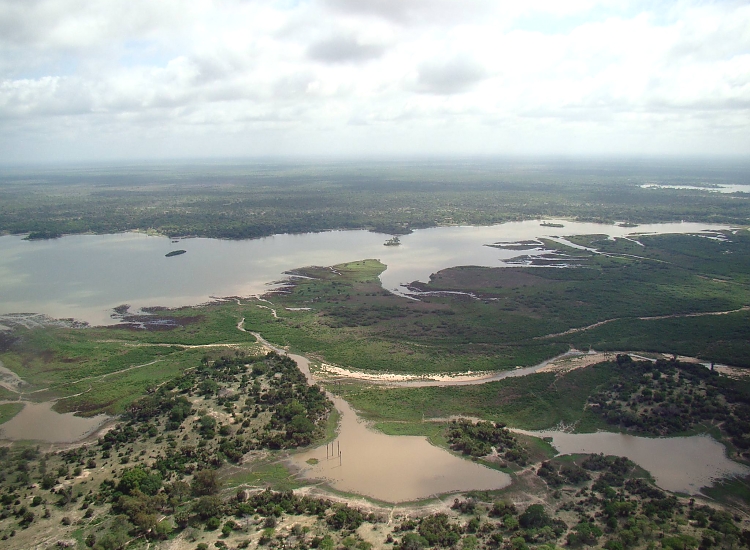
The Rufiji River runs through it, spreading into a maze of channels, lakes and sandbanks that support enormous concentrations of hippo and crocodile and draw elephant and buffalo down to drink. Because it is a southern park, the activities are different too — boat safaris on the Rufiji and guided walking safaris are both permitted here, neither of which you can do in the Serengeti or Ngorongoro. Nyerere also holds one of the most important remaining populations of African wild dog anywhere on the continent.
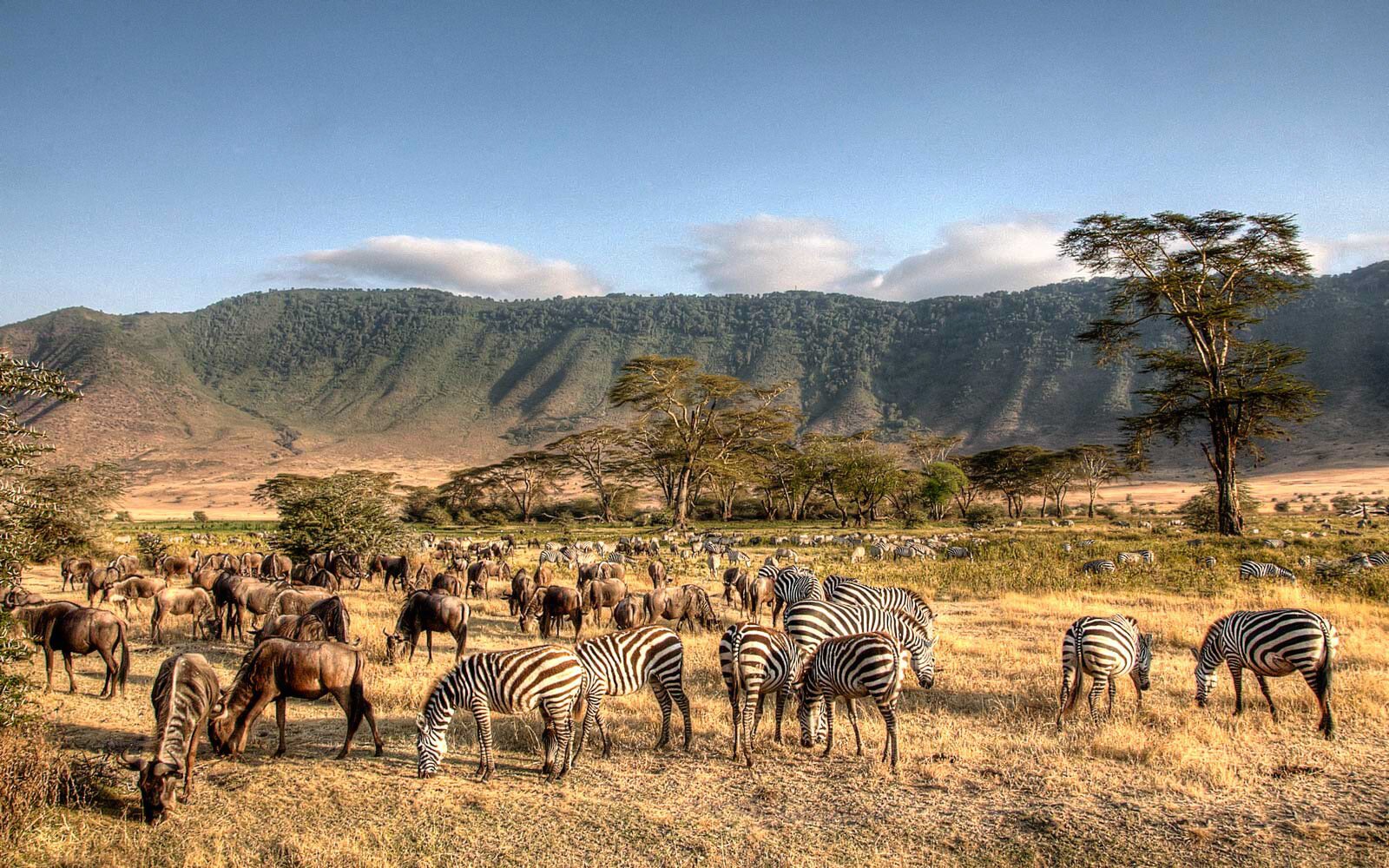
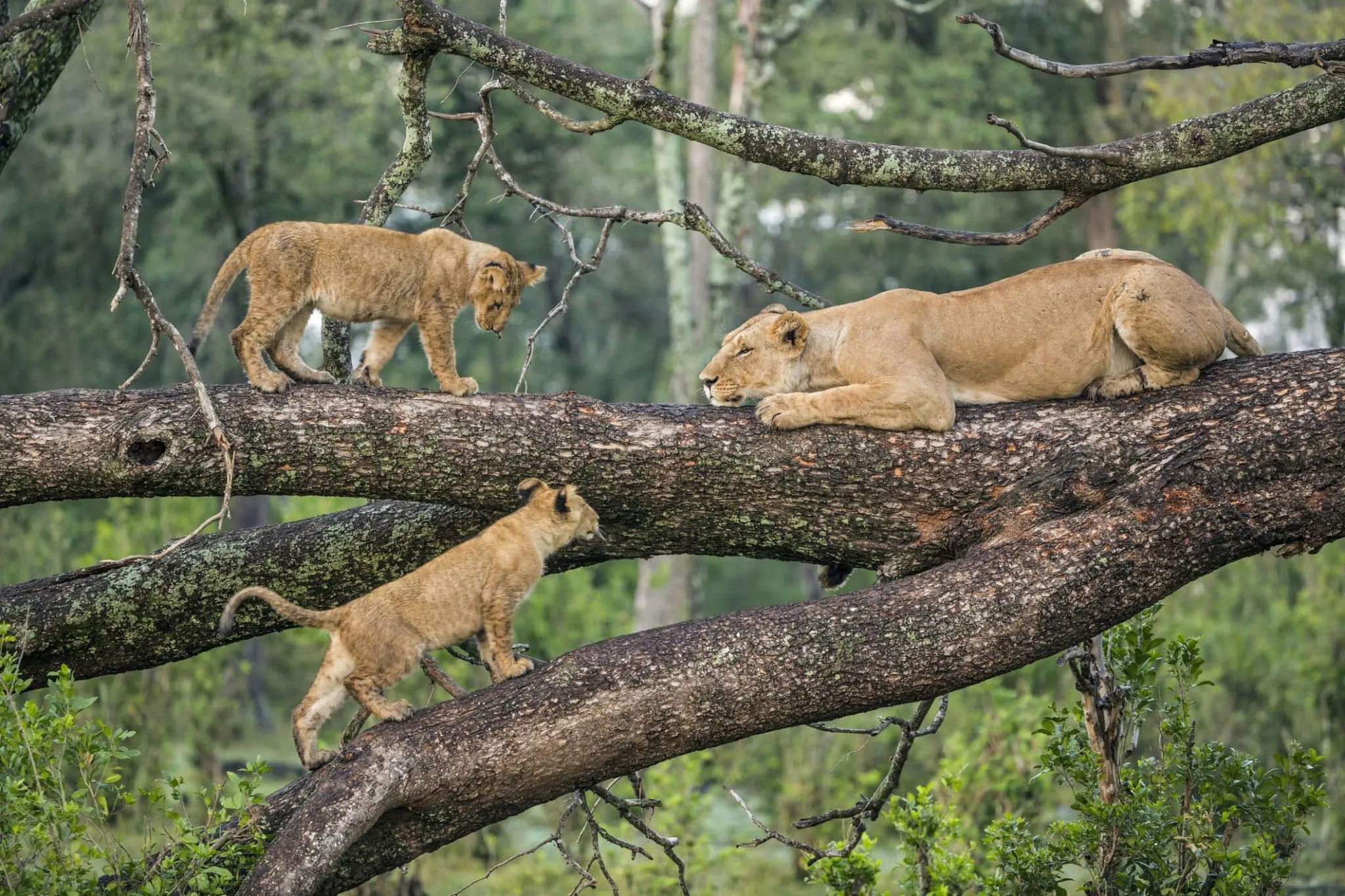
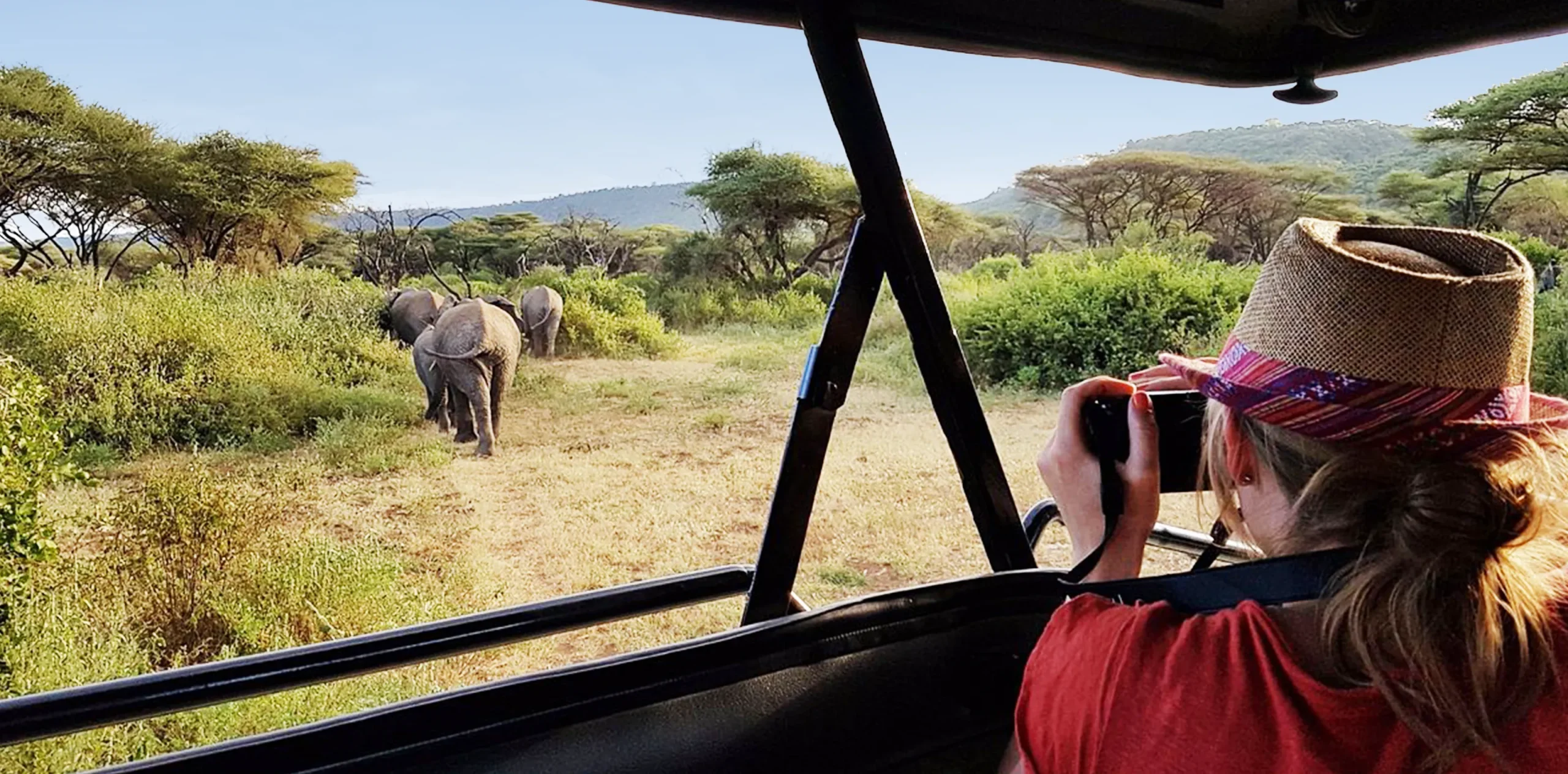
What to see
The signature Nyerere experience — drifting the channels and lakes at eye level with hippo, crocodile, elephant on the banks and fish eagles overhead. Best in the late afternoon.
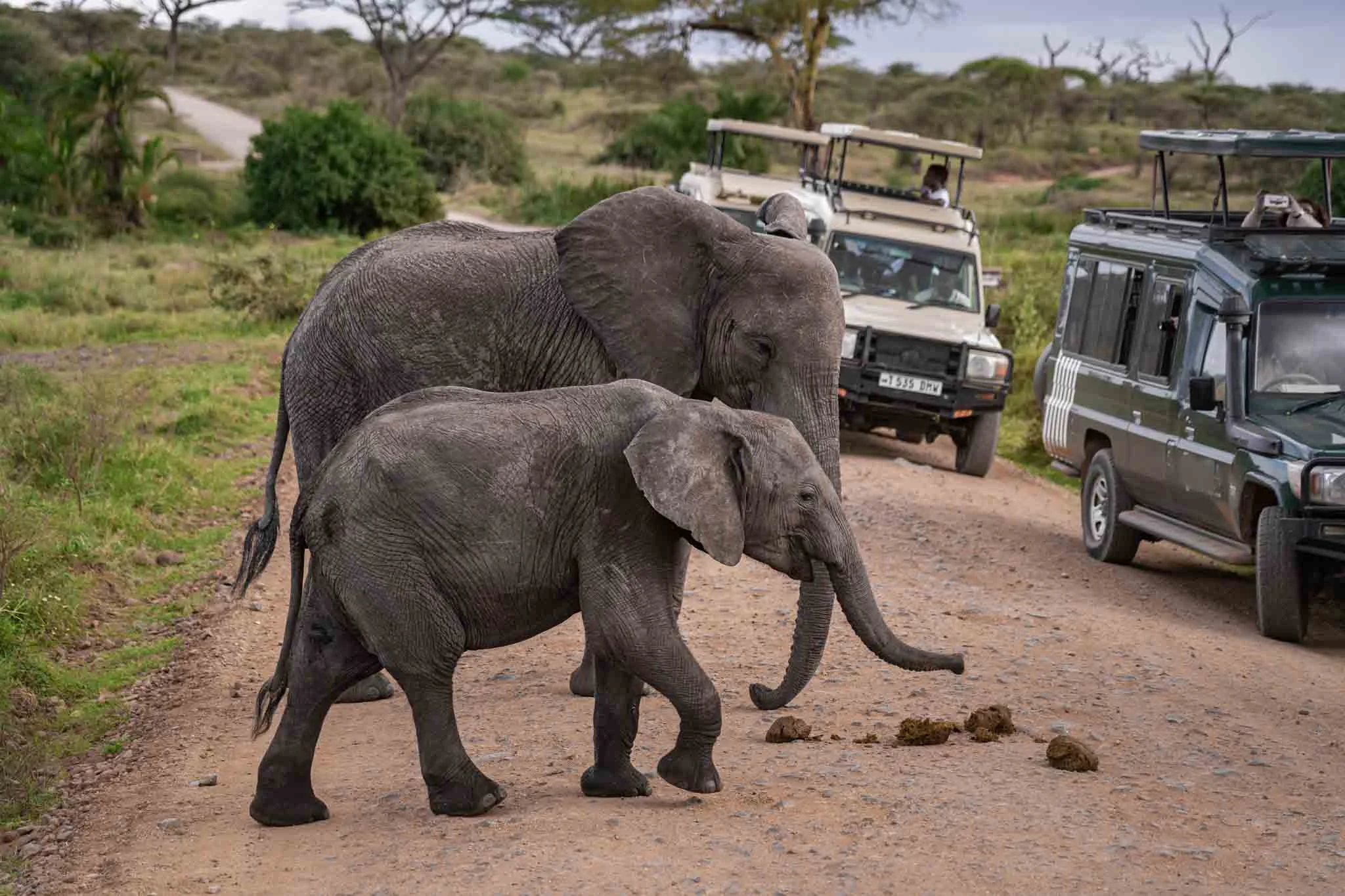
Guided walks with an armed ranger, tracking on foot through miombo woodland and along the riverbanks. A completely different way to read the bush than from a vehicle.
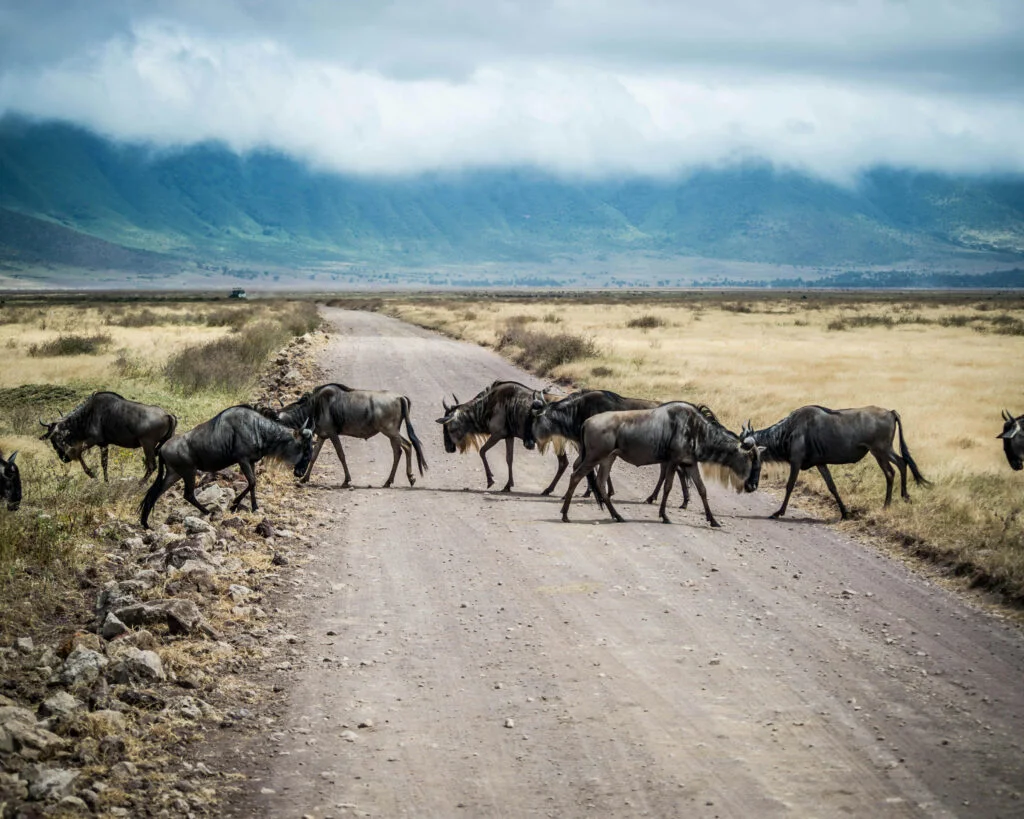
Nyerere and the wider Selous ecosystem hold one of the largest remaining wild dog populations in Africa, making this one of the continent’s best places to see them hunt.
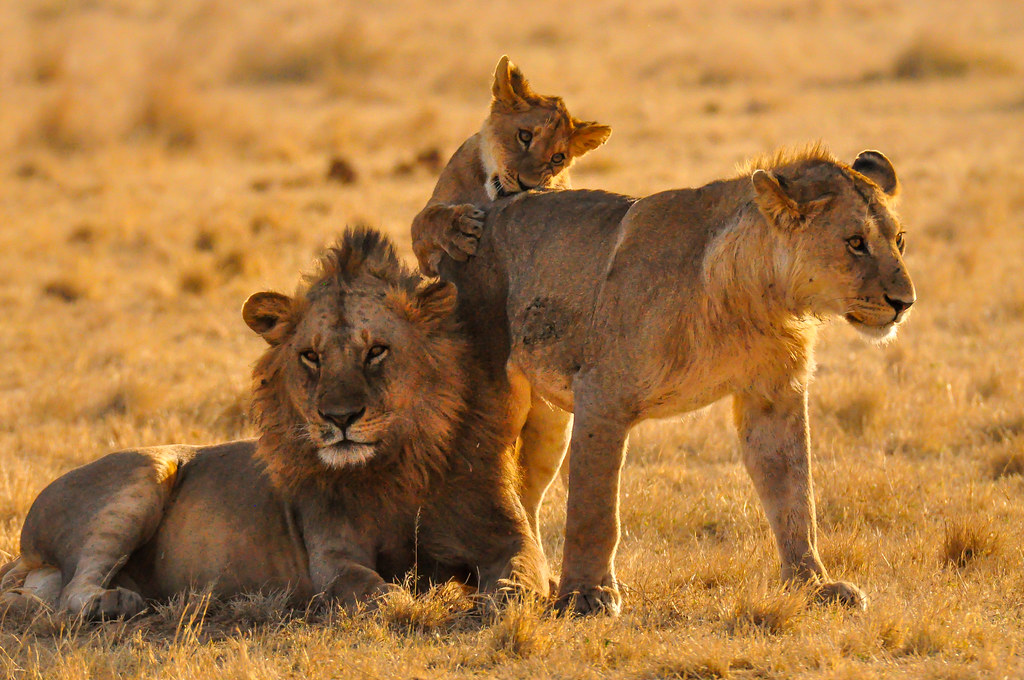
A chain of oxbow lakes off the Rufiji, thick with hippo and crocodile, with natural hot springs nearby reached on a short walk.
Wildlife
When to go
Jun – Oct · Dry — best time
The prime season. Water sources shrink and game concentrates along the Rufiji, making both boat and driving safaris excellent. Walking conditions are at their best and the bush is open. August to October is peak.
Nov – Dec · Short rains
Brief showers green the miombo and migratory birds arrive. Game is still good and camps are quieter than in the dry peak.
Jan – Feb · Green season
Warm, green and dramatic, with outstanding birding and newborn antelope. Some camps stay open and rates are lower; game is more dispersed.
Mar – May · Long rains
The heaviest rains, and most camps in the park close entirely from around March to May. Roads become impassable in places. We generally do not run safaris here in this window.
Things to do
A half-day boat trip through the channels and lakes — the experience that defines Nyerere.
A two to three-hour guided walk, usually at dawn, tracking on foot.
A night out in a light mobile camp away from the lodges, with dinner around a fire.
A full day covering the lake circuit and the Rufiji floodplain.
06Pricing
A Nyerere safari typically costs $450–$800 per person per day including park fees, vehicle, guide, boat activities and full-board accommodation. Most travelers fly in from Dar es Salaam, around $250–$350 per person each way. A three or four-night stay is the minimum we recommend given the travel involved.
It is wilder and far quieter, with boat and walking safaris the north cannot offer, but it has no Great Migration and lower predator density on open plains. Many travelers do the northern circuit first and come south on a second trip for a different kind of safari.
By air. Scheduled flights from Dar es Salaam take about an hour and land at airstrips inside the park, where your vehicle and guide meet you. Driving from Dar is possible but long and rough, and we rarely recommend it.
March to May. The long rains make much of the park inaccessible and most camps close. Plan for June to October if you can, or November to February as a green-season alternative.
Keep exploring
Ready when you are
Tell us your dates, your group and what you'd most like to see. We'll send back a tailored itinerary and a clear quote.