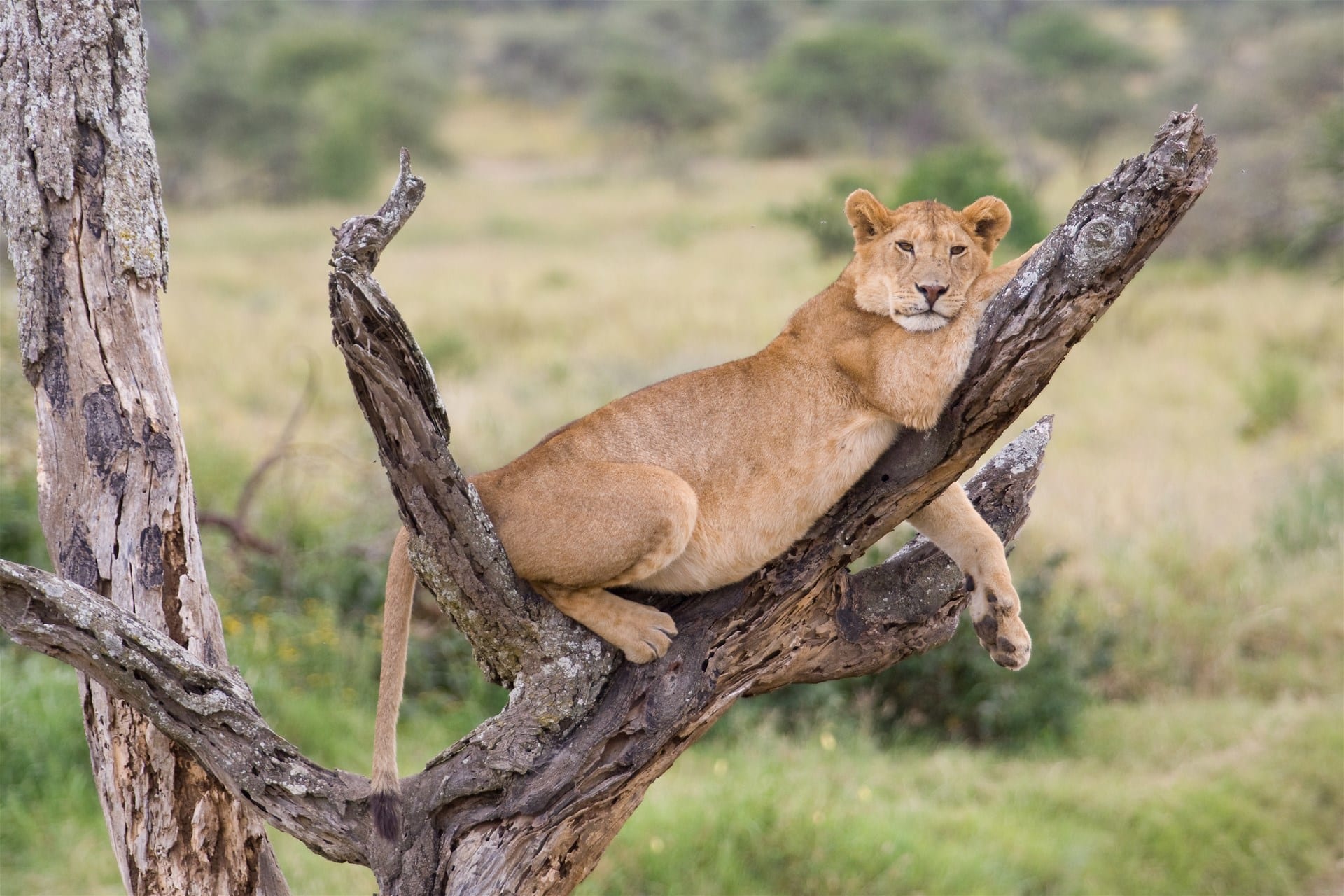
Full-day crater game drive
An early descent onto the crater floor with a picnic lunch, returning to the rim in the early afternoon. Every Alfajir vehicle carries binoculars for spotting the black rhinos.
Included in safari packages Add to trip

UNESCO World Heritage Site
Africa’s Densest Wildlife
01Overview
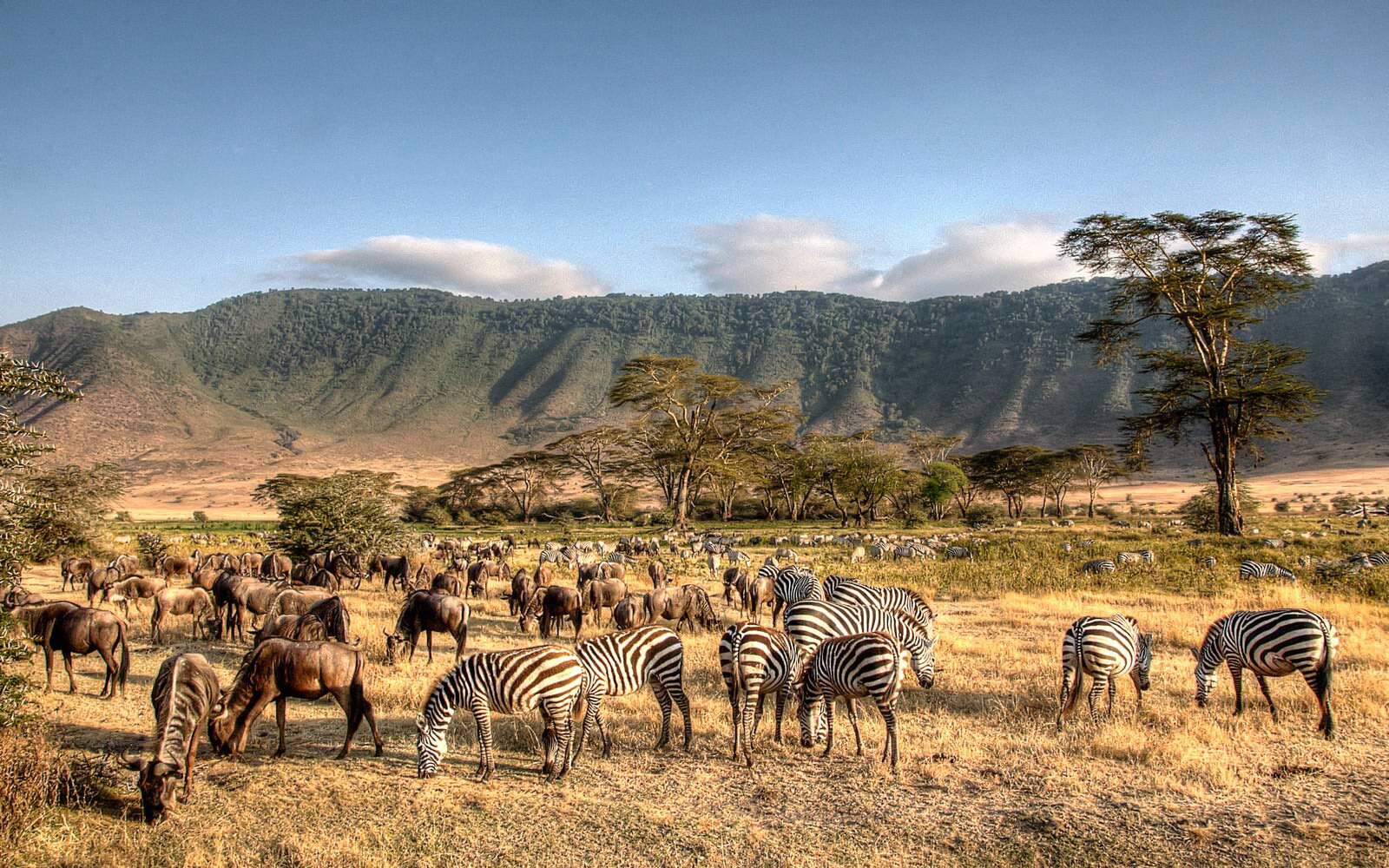
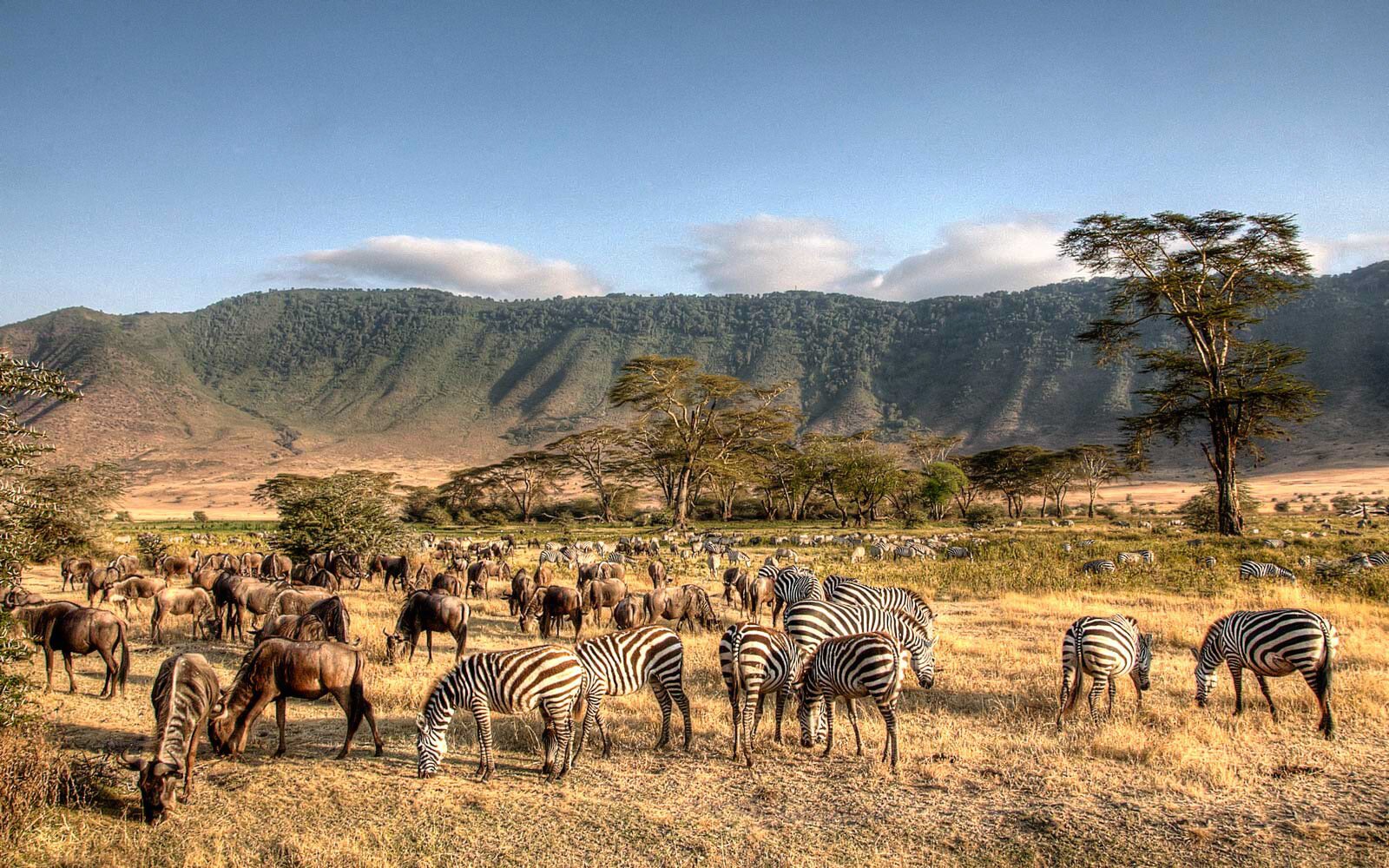
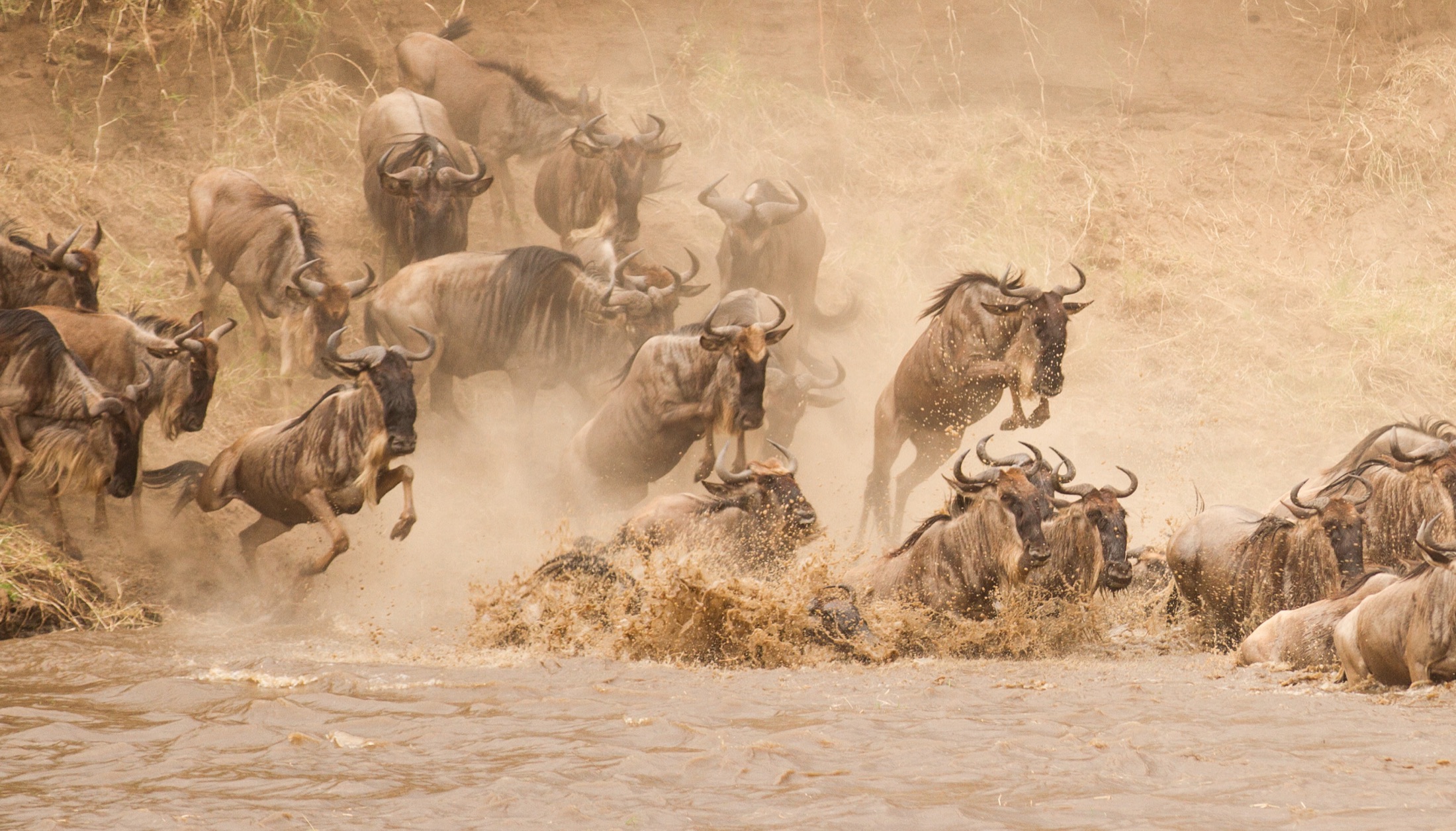
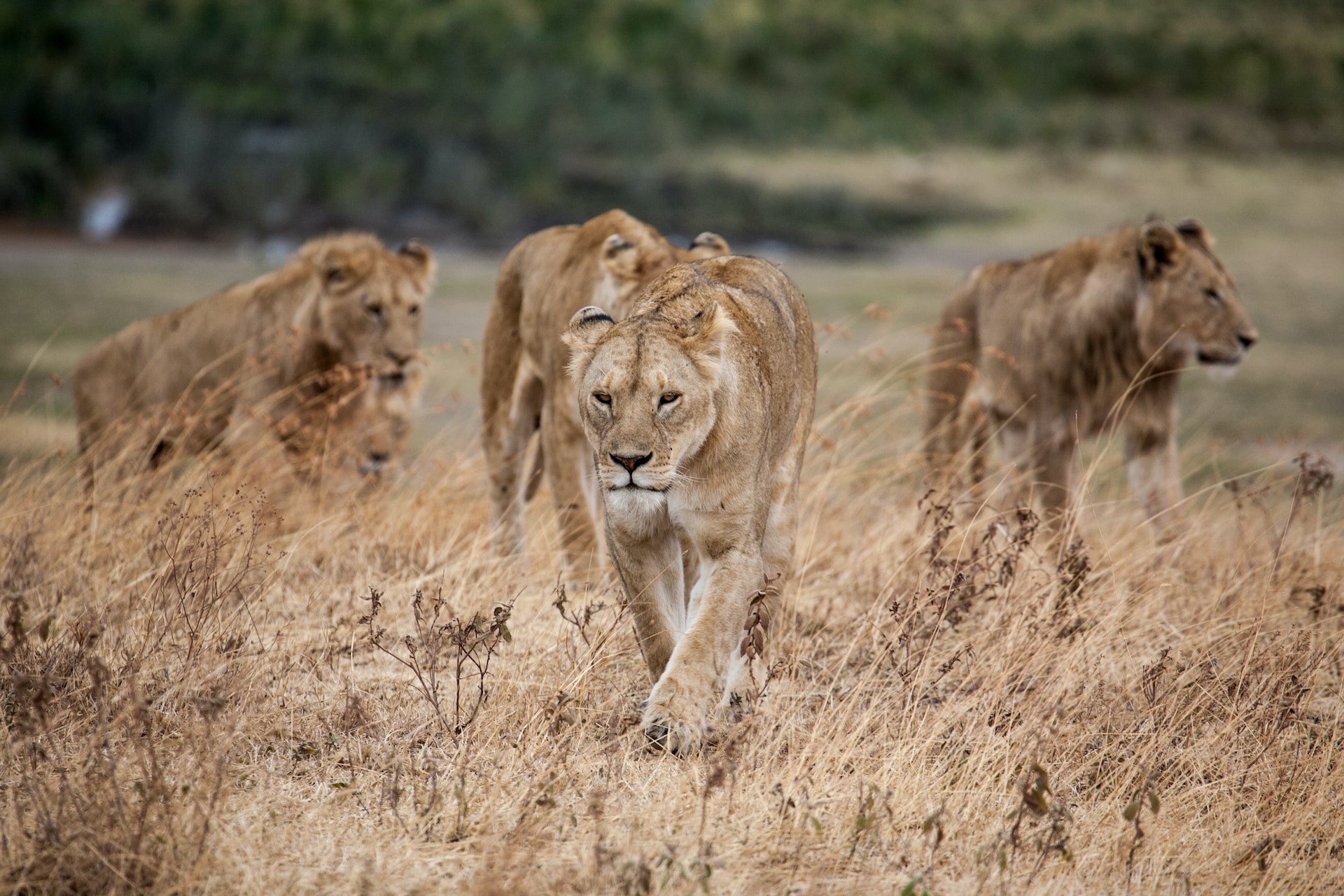
According to UNESCO estimates, the Ngorongoro Conservation Area is home to approximately 25,000 large mammals. Here you can see the Big Five — elephants, rhinos, lions, leopards and buffalo — along with hippos, zebras, antelopes, servals and warthogs. Most of them live within a compact 260 km² crater floor, so on a game drive you encounter new wildlife every 10–15 minutes.
It is important to know that the Conservation Area and the Crater are not the same thing. The Conservation Area covers 8,292 km²; the Crater is its main attraction, formed when a massive volcano collapsed 2–3 million years ago. Ngorongoro is also one of Tanzania’s best birding destinations, with over 600 recorded species.
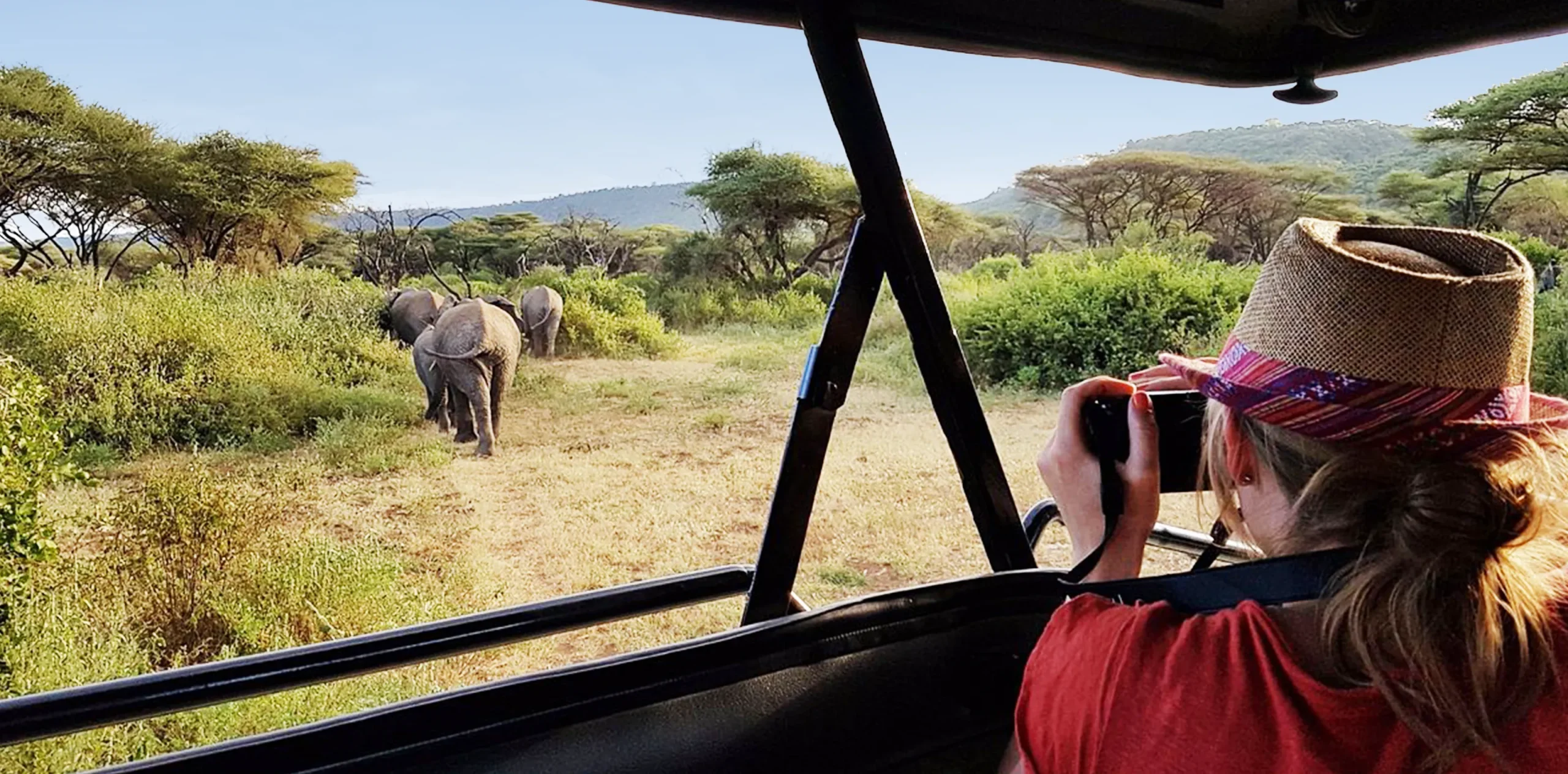
What to see
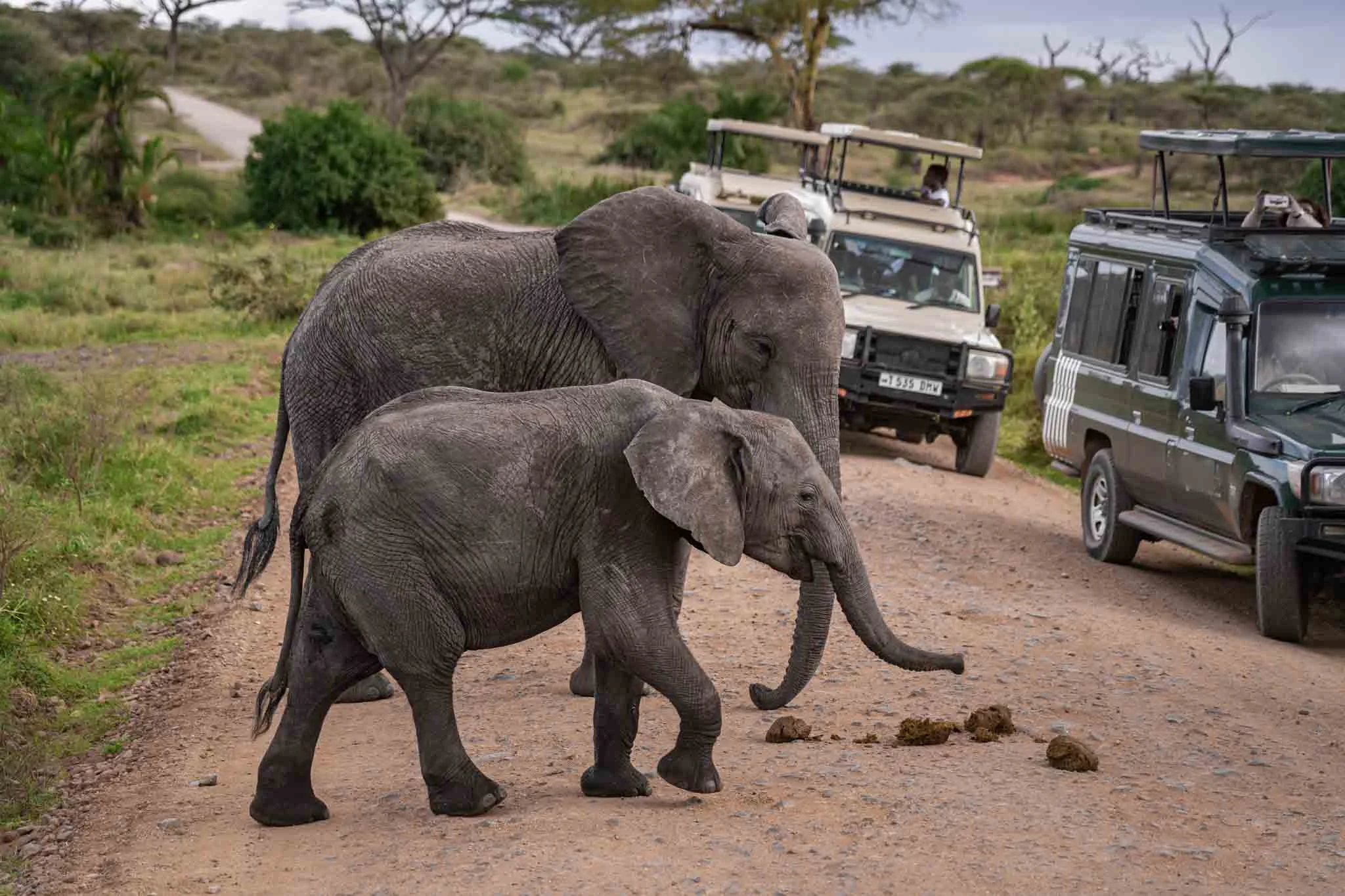
The heart of any Ngorongoro safari. Game drives start at 6:30–7:00 AM and descend the caldera wall onto grasslands holding thousands of animals, with Lake Magadi and the Ngoitokitok hippo pools at its edges.
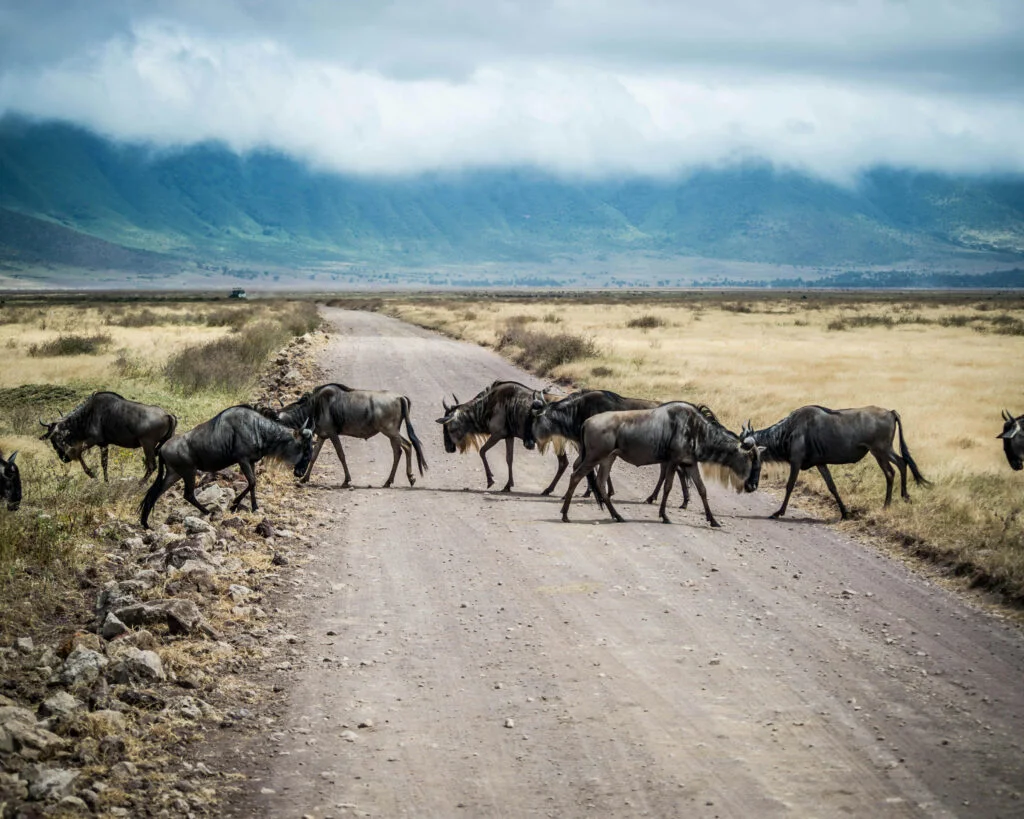
The excavation site where Mary and Louis Leakey found human remains dating back 1.5–2 million years. A museum displays replicas of the tools and artifacts recovered here.
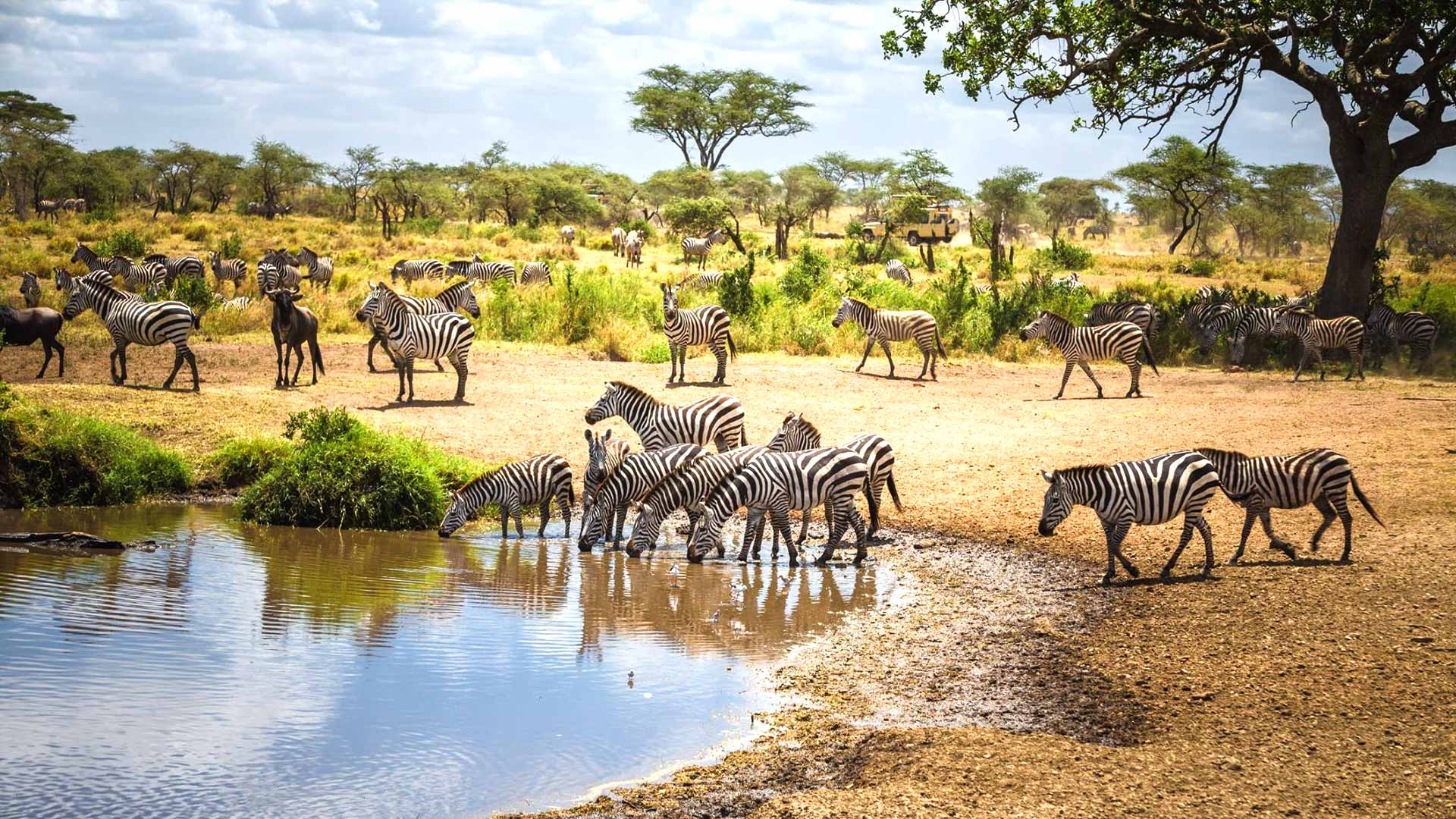
Two ancient craters in the Ngorongoro Highlands and among the few places where hiking is permitted, accompanied by an armed ranger. Flamingos gather on Lake Empakai from November to May.
A 50-metre monolith towering over the savanna, and an important archaeological site where stone tools used by early humans around 300,000 years ago were found.
Wildlife
When to go
Jan – Mar · Warm rains
Lush grass across the Conservation Area with hot, clear spells. Herbivores graze right where you descend onto the crater floor, and the winter months are the best for birding as migratory species arrive. January and February are busy; by mid-March visitor numbers drop sharply and lodges discount.
Apr – May · Long rains
April is the rainiest month, but the crater turns brilliantly green and animals spread across it. Crater-rim hotels are at their annual lowest — often 1.5 to 2 times cheaper than February or August — and you may see only a handful of other vehicles all day.
Jun – Sep · Dry season
The best game-viewing of the year. Dry grass makes small animals easy to spot and every one of the Big Five is possible in a single day. Nights on the crater rim drop to 4–7°C, so bring a fleece and windbreaker. June is quiet; August and September are the busiest months.
Oct – Dec · Shoulder, then rains
October is excellent — sunny with noticeably fewer vehicles than August. From November the rains return, visitors thin out and lodges discount, making it ideal for a secluded visit. Late December is peak season again; book four to six months ahead.
Things to do
An early descent onto the crater floor with a picnic lunch, returning to the rim in the early afternoon. Every Alfajir vehicle carries binoculars for spotting the black rhinos.
Easily combined with the drive from Ngorongoro to the Serengeti, with a cafe overlooking the gorge.
A ranger-escorted walk in the highlands, away from the safari vehicles. Add an extra day to your Ngorongoro stay.
06Pricing
On average a safari in Ngorongoro costs $500–$900 per person per day, including Conservation Area fees, crater descent fee, vehicle, guide and accommodation. Luxury options staying at the crater-rim lodges run to several thousand dollars per day.
One day is enough to explore the crater floor, arriving at a rim lodge the evening before. Our guides recommend two or three days if time and budget allow — rhinos come closer to the roads on some days, and a second visit also lets you see the birdlife and the Olmoti and Empakai craters.
No. The crater’s steep walls are difficult for giraffes to navigate and its grass-and-shrub vegetation lacks the tall trees they feed on. Both giraffes and cheetahs are seen in the neighbouring Serengeti, which most travelers visit next.
Yes. Ngorongoro Airstrip sits on the crater rim but suffers constant cloud cover, so only charter flights use it and landing is not guaranteed. Lake Manyara Airport to the south receives regular flights and is about ninety minutes away by road.
Keep exploring
Ready when you are
Tell us your dates, your group and what you'd most like to see. We'll send back a tailored itinerary and a clear quote.