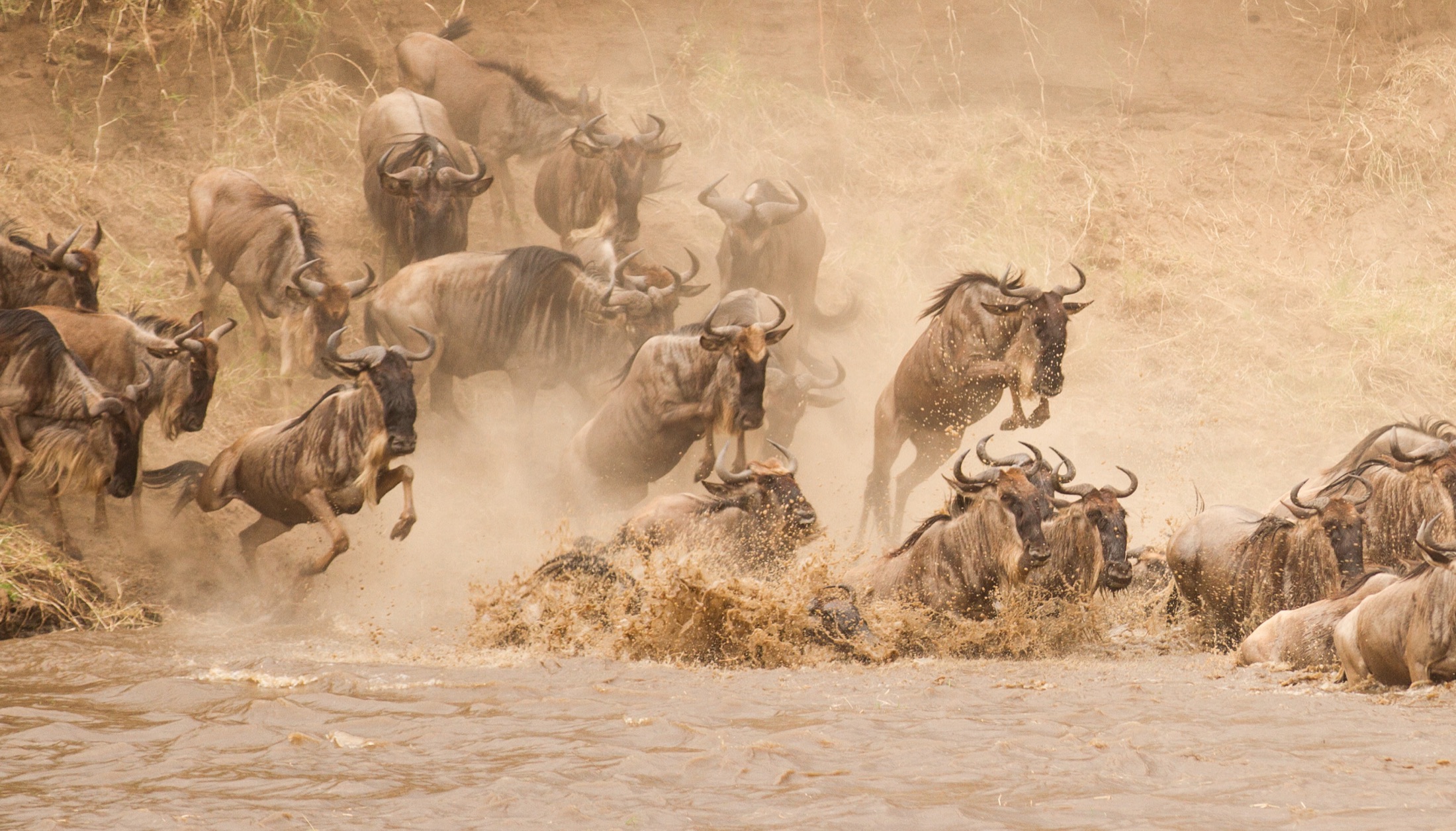
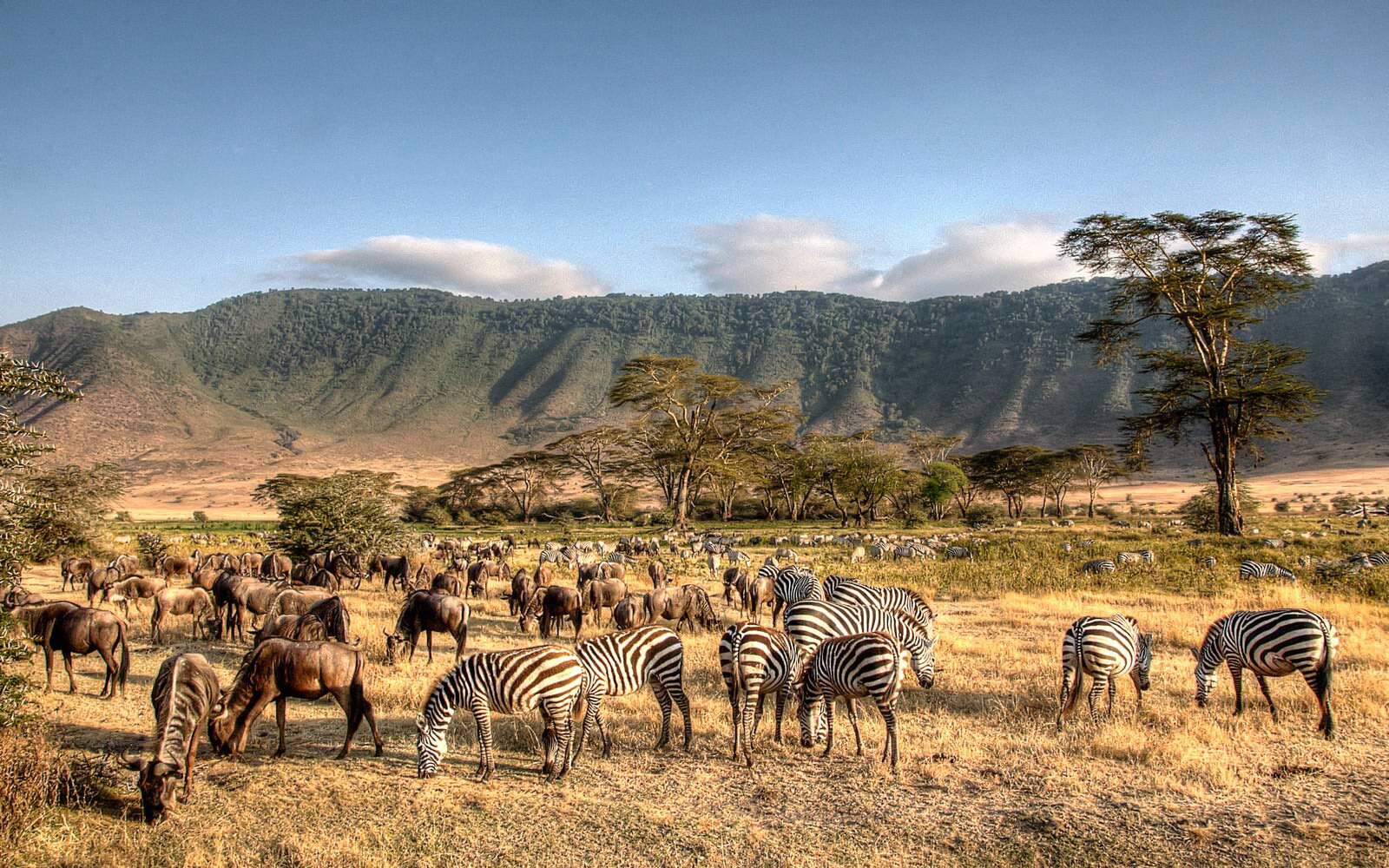
Full-day game drive
The classic Tarangire experience — a morning along the river, a picnic lunch and an afternoon among the baobabs.
From $220 per person Add to trip

Destination
Land of Giants and Baobabs
01Overview
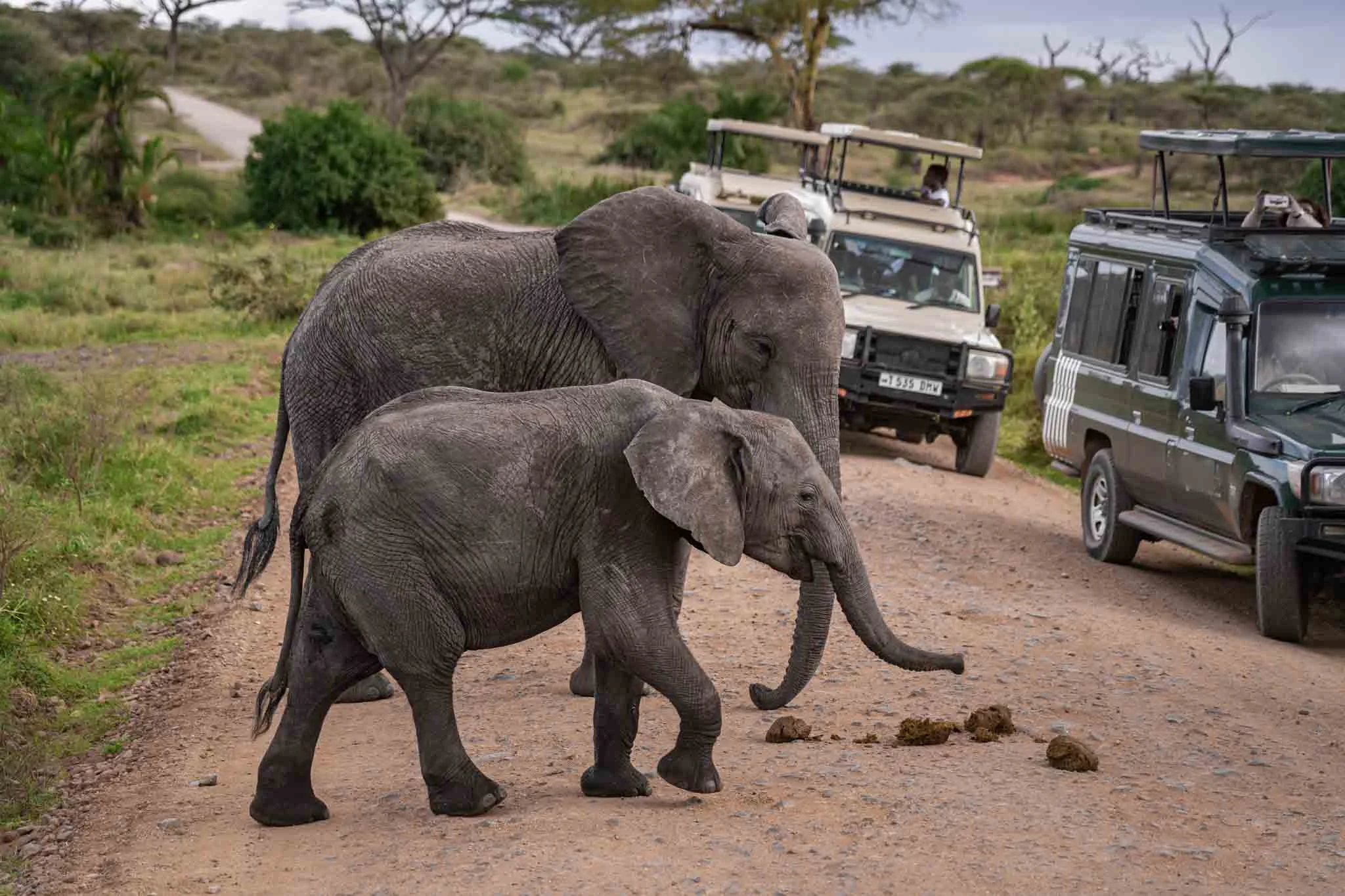
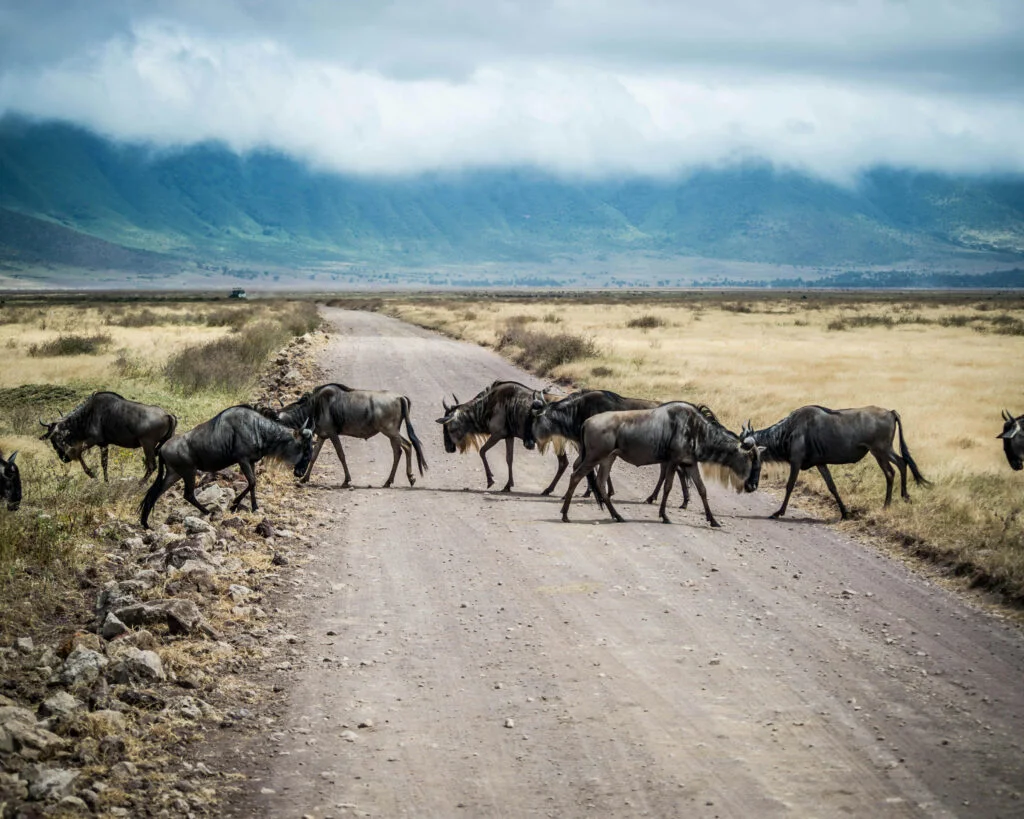
Tarangire is the elephant capital of northern Tanzania. During the dry season, herds of several hundred gather along the Tarangire River, the only permanent water source for miles, alongside buffalo, zebra, wildebeest and eland drawn in from the surrounding Maasai steppe.
It is also the most distinctive landscape on the northern circuit: thousands of ancient baobabs stand across rolling grassland, some over a thousand years old. At 2,850 km² Tarangire is Tanzania’s sixth-largest park, and because it sits closest to Arusha it is usually the first stop on a safari — or a full-day trip on its own.
What to see
The park’s lifeline, and where the dry-season drama happens. Elephants dig into the riverbed for water while lions and leopards wait nearby.
A vast seasonal wetland in the south, green long after the rest of the park has dried out, and excellent for buffalo, elephant and predator sightings.
The signature Tarangire view — giant, thousand-year-old baobabs scattered across open grassland, at their most photogenic in low morning and evening light.
Tarangire is one of the few places where African rock pythons are regularly seen draped in the branches of riverside trees.
Wildlife
When to go
Jun – Oct · Dry — the best time
The standout season in Tarangire. Surrounding water sources dry up and animals concentrate along the river in extraordinary numbers, with elephant herds of several hundred. Sightings are dense and predictable, and the light is superb.
Nov – Dec · Short rains
Brief afternoon showers green the park and migratory birds arrive, making this the best window for birdwatching. Many animals disperse toward the Maasai steppe, but resident elephants and giraffes remain.
Jan – Mar · Green season
Warm, lush and quiet. Excellent for photography against green grass and dramatic skies, with newborn antelope drawing predators. Fewer vehicles and better lodge rates than the dry months.
Apr – May · Long rains
The wettest and quietest period. Roads can be difficult and game is widely dispersed, but the landscape is at its most beautiful and prices at their lowest.
Things to do
The classic Tarangire experience — a morning along the river, a picnic lunch and an afternoon among the baobabs.
A guided bush walk with an armed ranger in the park’s designated walking areas, focused on tracks, plants and smaller wildlife.
Available in the private concessions bordering the park — a chance to see genets, civets, bushbabies and hunting leopards.
06Pricing
A day trip to Tarangire from Arusha or Moshi starts around $220 per person. As part of a multi-day northern circuit safari, expect $350–$550 per person per day including park fees, vehicle, guide and accommodation.
Yes, especially between June and October. The river concentrations are among the best elephant viewing in Africa, and the baobab landscape is unlike anywhere else on the circuit.
Yes. It is roughly a three-hour drive from Moshi, which makes a long but very rewarding day trip with an early start. Most travelers instead include it as the first stop of a longer safari.
Tarangire is smaller, closer and much stronger for elephants and baobab scenery. The Serengeti is far larger, holds the Great Migration and has greater predator density. They complement each other well.
Keep exploring
Ready when you are
Tell us your dates, your group and what you'd most like to see. We'll send back a tailored itinerary and a clear quote.