Hot air balloon safari
Drones are prohibited in the Serengeti, making a balloon flight the only way to see the plains from above — followed by a champagne bush breakfast.
From $550 per person Add to trip
UNESCO World Heritage Site
The Endless Plains
01Overview
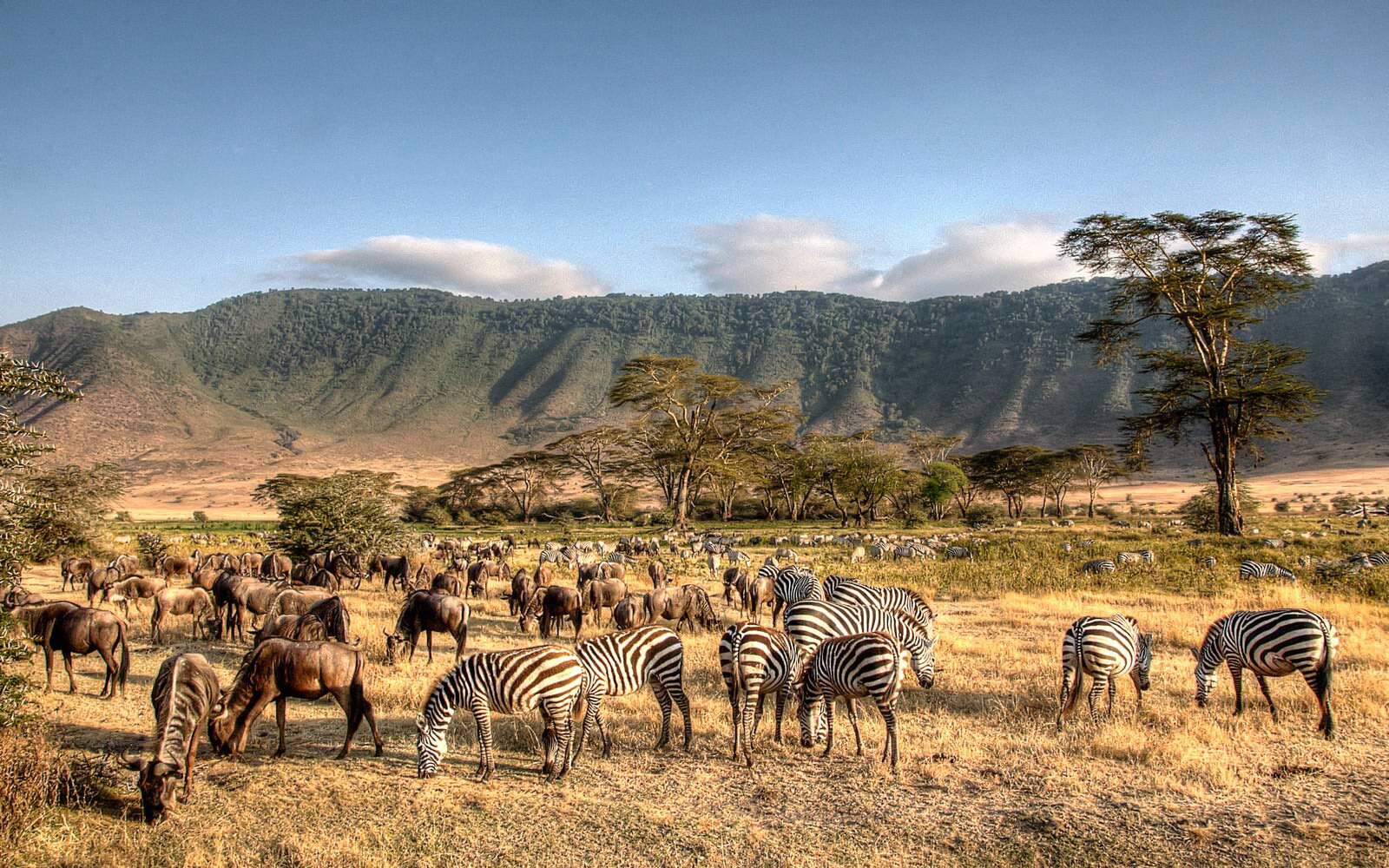
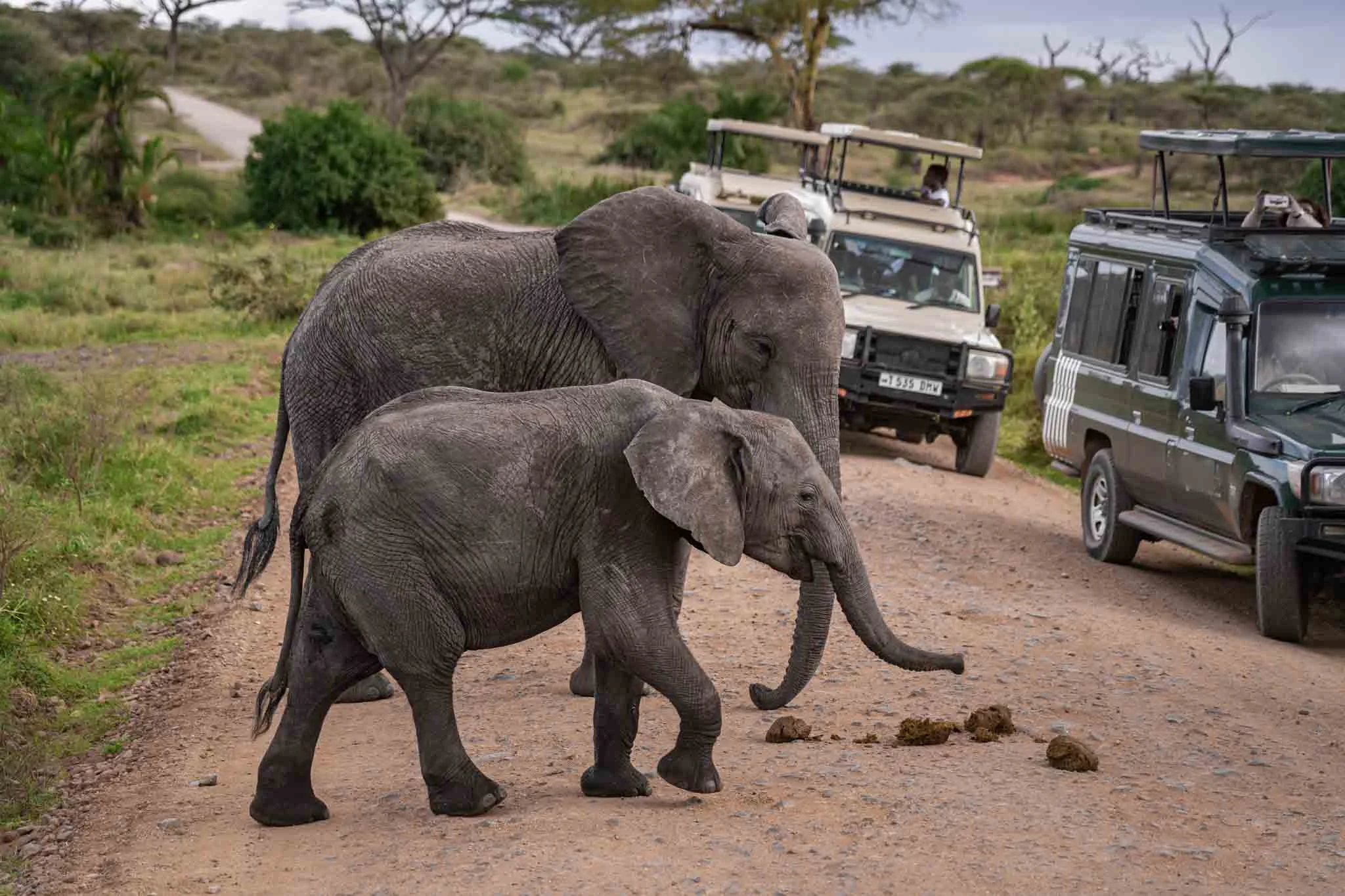
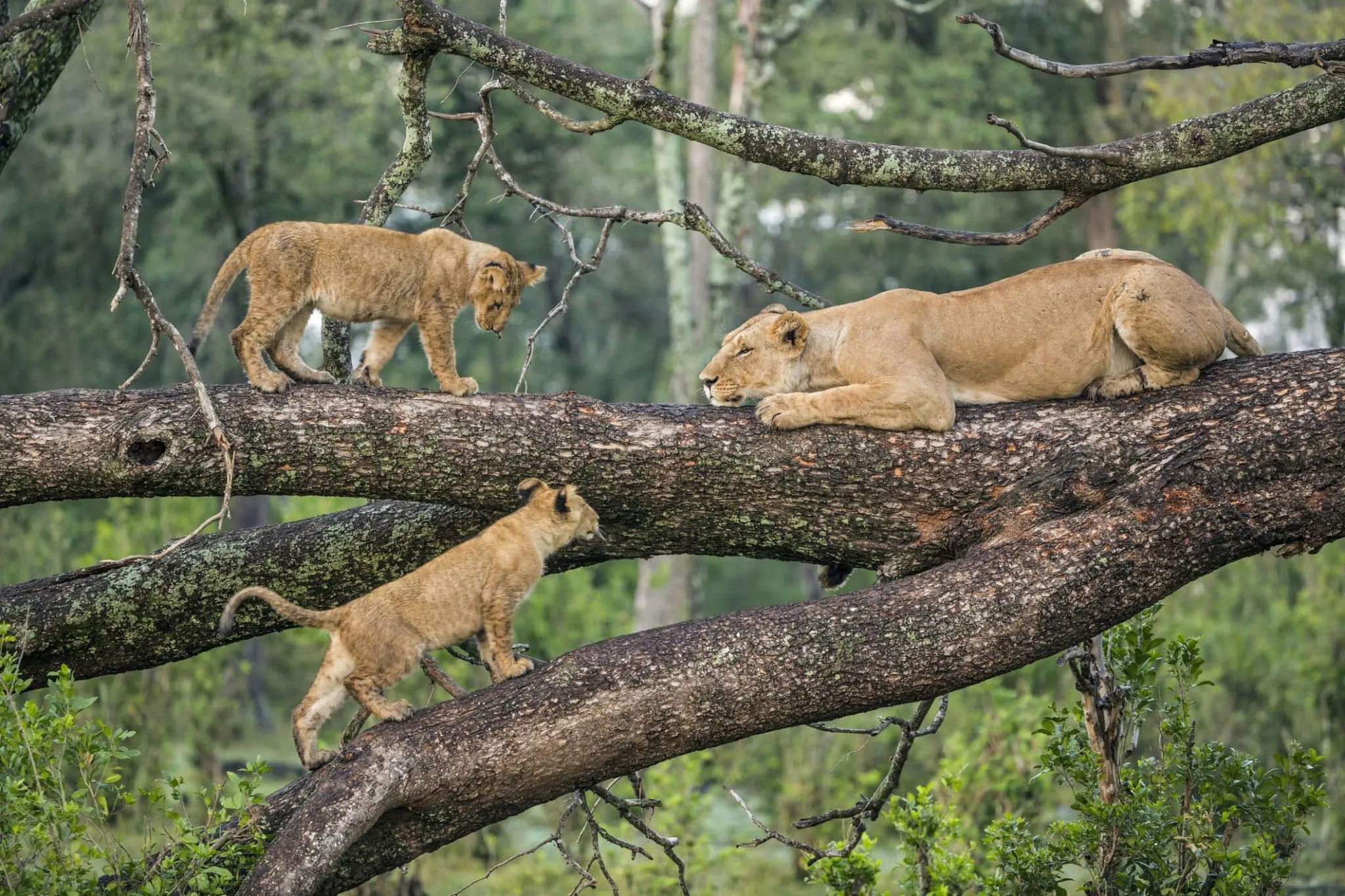
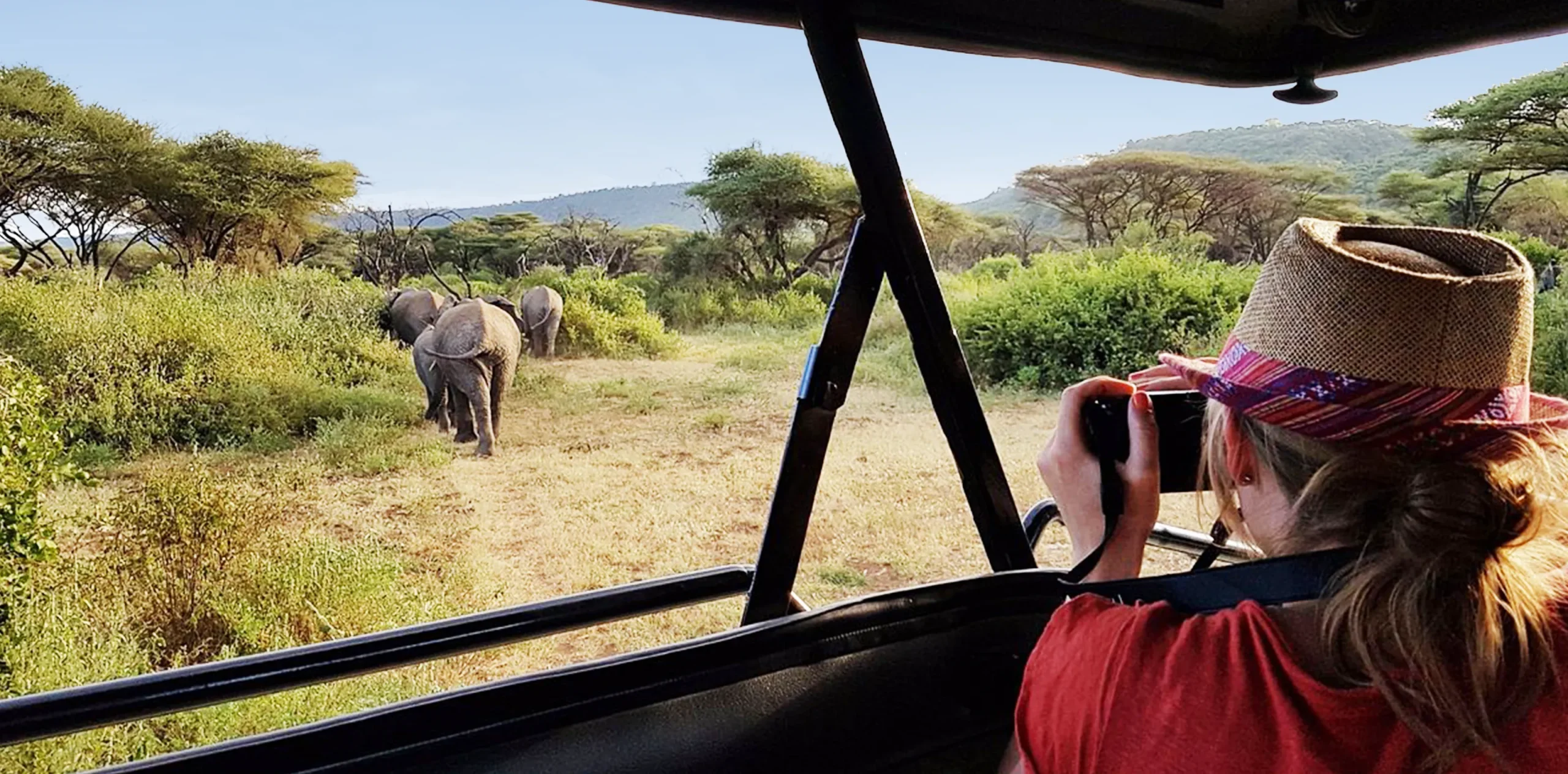
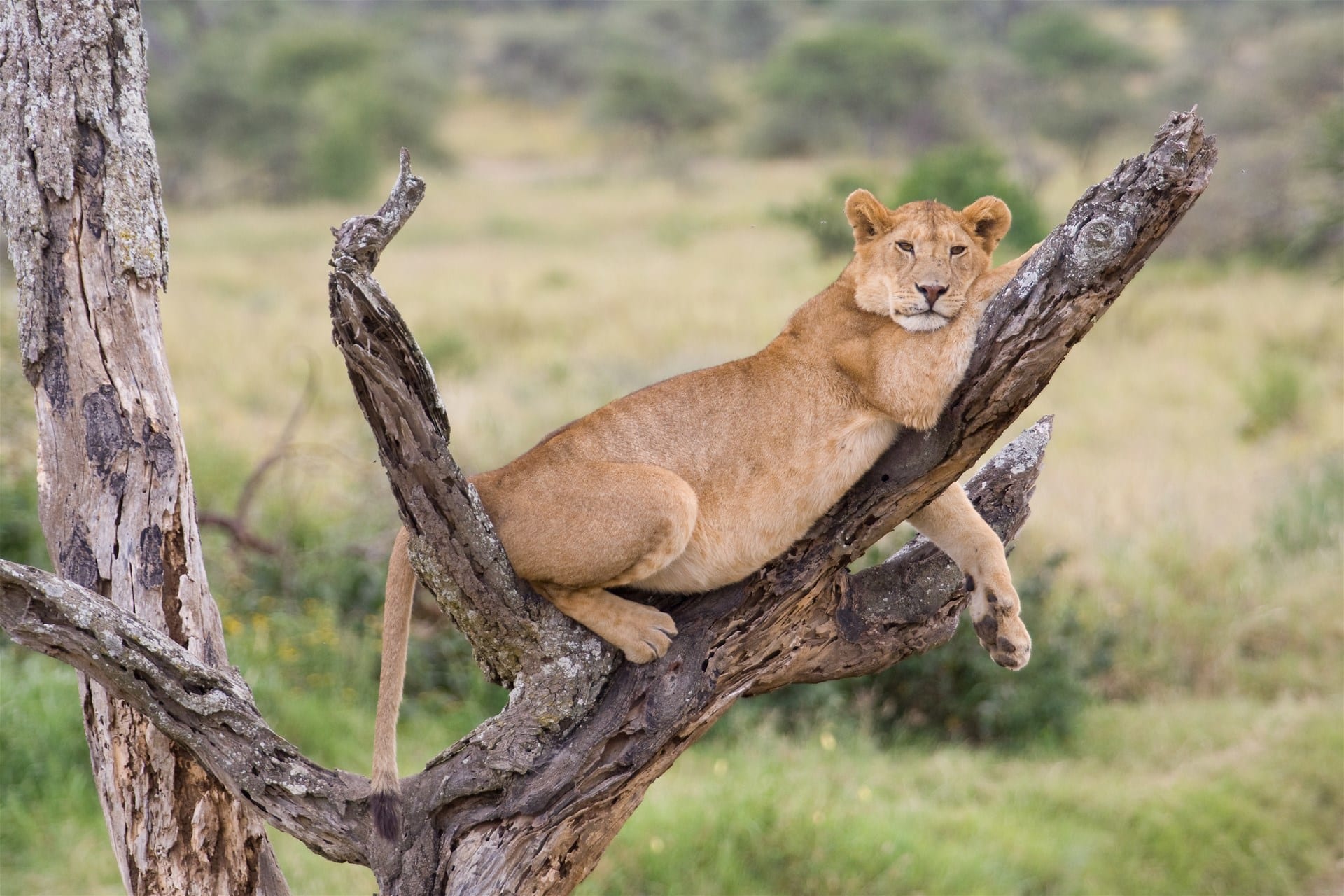
Renowned as one of Africa’s premier safari destinations, the Serengeti offers an unmatched wildlife viewing experience. This vast park is home to the famous Big Five — elephants, lions, buffaloes, rhinoceroses and leopards — as well as giraffes, hippos and crocodiles. With over 70 species of large mammals and 500 birds, it is a must-visit wildlife area.
The park stretches over 1,500,000 hectares of wild savanna in northern Tanzania, east of Lake Victoria near the Kenyan border. To the north it borders Kenya’s Maasai Mara; to the east, the Ngorongoro Crater. The name comes from the Maasai word "siringet" — endless plains.
What to see
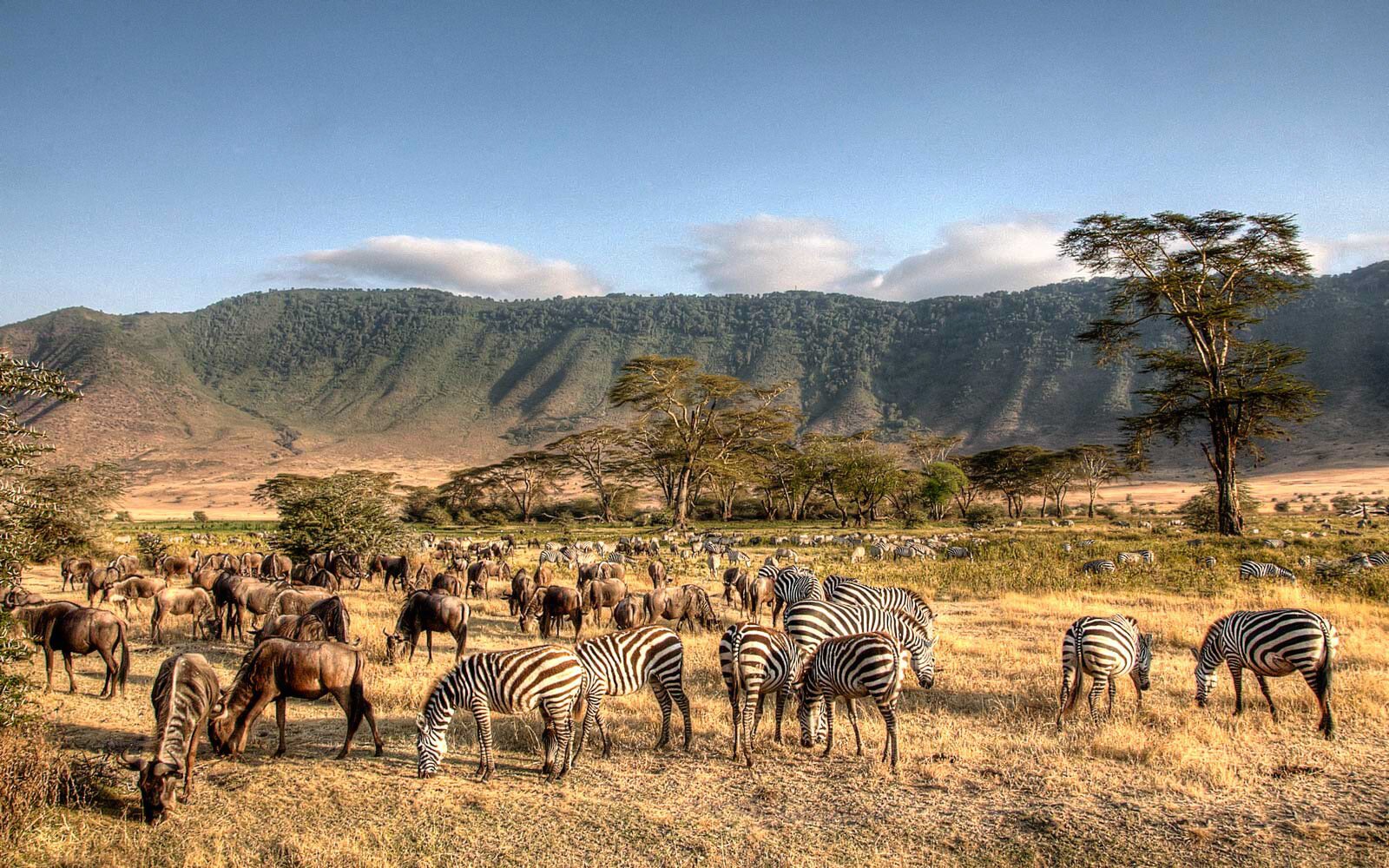
The most popular area of the park, where you can see practically all the animals and where most safari lodges are located. Almost every multi-day Serengeti safari starts here.
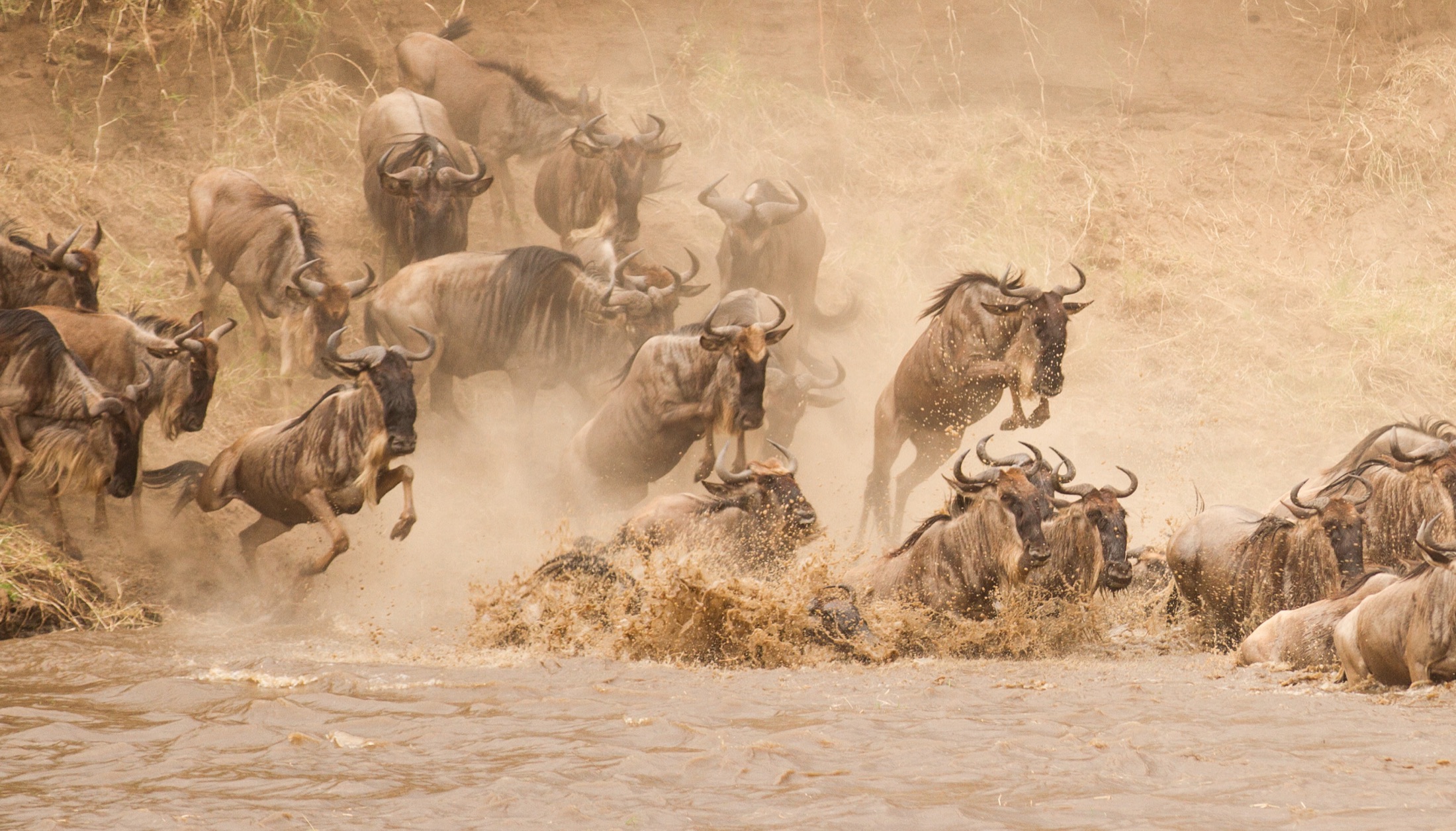
Open savanna with all the iconic African animals. The Grumeti and Mbalageti rivers are home to hippos and crocodiles, and host dramatic Migration crossings in June.
Where the final stage of the Great Migration unfolds as vast herds cross the wide Mara River. Picturesque and a must-visit in July and August.
Wildlife
When to go
Jan – Mar · Dry & calving
Clear, hot weather. The Migration rests on the southern plains where wildebeest and zebras calve — up to 8,000 babies born a day in February. Short grass makes even servals and dik-diks easy to spot. Popular months, so expect other vehicles.
Apr – May · Long rains
The plains turn from drought-yellow to lush green and new waterholes appear, so animals spread across the whole park. Fewest travelers of the year and the best lodge deals — ideal if you want seclusion.
Jun – Aug · Dry — peak Migration
Dry weather returns and the Migration reaches its climax: herds cross the Grumeti and Mbalageti in June, then the crocodile-filled Mara River in July and August. The most iconic sight on any safari, and the busiest time in the park.
Sep – Dec · Dry, then short rains
September and October stay warm and dry with animals near the water and fewer visitors than August. From November the short rains green the plains and lodges discount; by December herds gather in the west as the annual cycle closes.
Things to do
Drones are prohibited in the Serengeti, making a balloon flight the only way to see the plains from above — followed by a champagne bush breakfast.
Most lodges can arrange a meal under the open sky, with fine dining accompanied by the sounds of the savanna.
Prohibited inside the park but allowed in neighbouring reserves such as Ikoma — a chance to see leopards, civets and genets.
06Pricing
A mid-range Serengeti safari typically costs USD $400–$600 per person per day, including park entry fees, vehicle, guide and full-board accommodation. There is no upper limit for luxury safaris, where exclusive lodges can charge thousands per night.
Most safaris start in Arusha and drive west, visiting Tarangire, Lake Manyara and Ngorongoro on the way — the direct drive alone takes 8–9 hours. Alternatively, scheduled and charter flights run from Arusha and Kilimanjaro to the Seronera, Grumeti, Kogatende and Lobo airstrips in 1–2 hours.
We recommend four to six days: two to three in Seronera, and the rest wherever the Great Migration happens to be that season. That allows a relaxed pace and longer stays in the best spots.
The Migration runs year-round in a clockwise loop. The river crossings — the most dramatic moments — take place from June to August on the Grumeti, Mbalageti and Mara rivers.
Keep exploring
Ready when you are
Tell us your dates, your group and what you'd most like to see. We'll send back a tailored itinerary and a clear quote.