Kilimanjaro day hike
A one-day walk through the rainforest to the first camp and back — no summit attempt, no altitude risk, and a genuine taste of the mountain.
From $180 per person Add to trip

UNESCO World Heritage Site
The Roof of Africa
01Overview
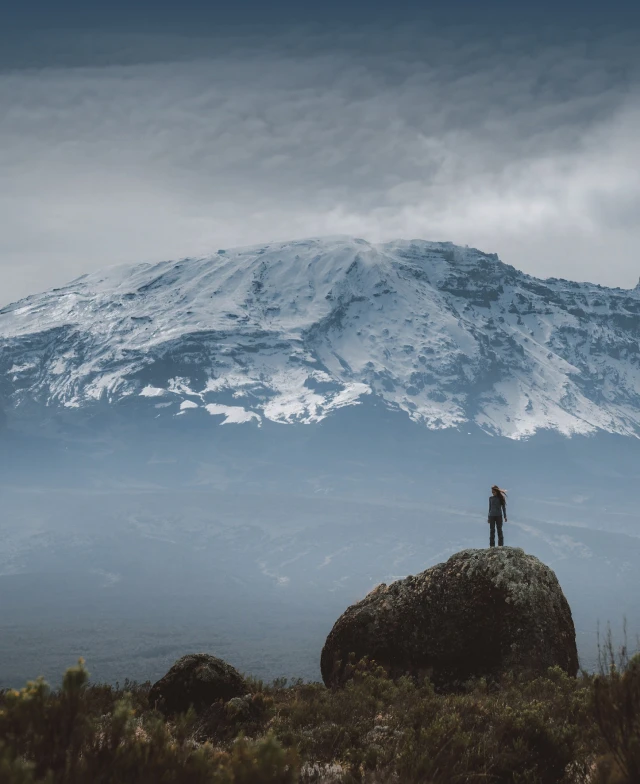
At 5,895 metres, Kilimanjaro is the highest mountain in Africa and the tallest free-standing mountain on Earth — a dormant volcano rising straight out of the plains rather than from a range. Reaching Uhuru Peak requires no technical climbing or ropes, which is why thousands of ordinary travelers summit each year. What it does require is time to acclimatize, which is why the route and the number of days matter more than fitness.
The climb passes through five distinct climate zones in under a week: cultivated farmland, dense montane rainforest, open heath and moorland, the stark alpine desert of the Saddle, and finally the arctic summit zone where temperatures fall to around −15°C. Our Moshi office sits at the foot of the mountain, and our guides climb it year-round.
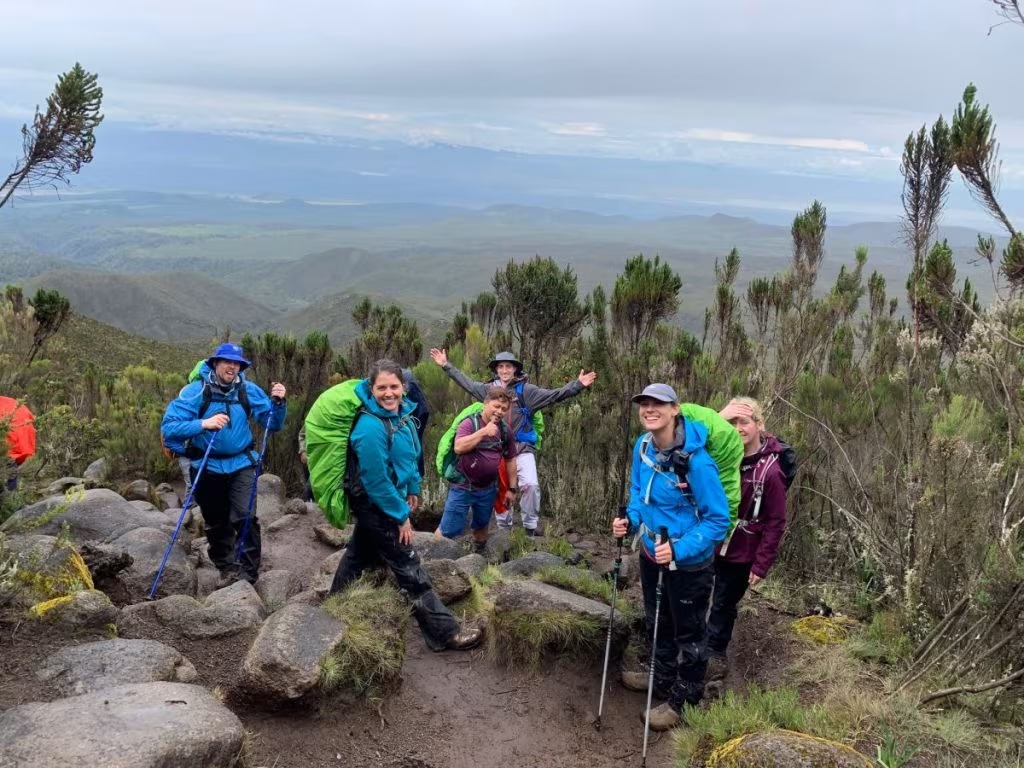
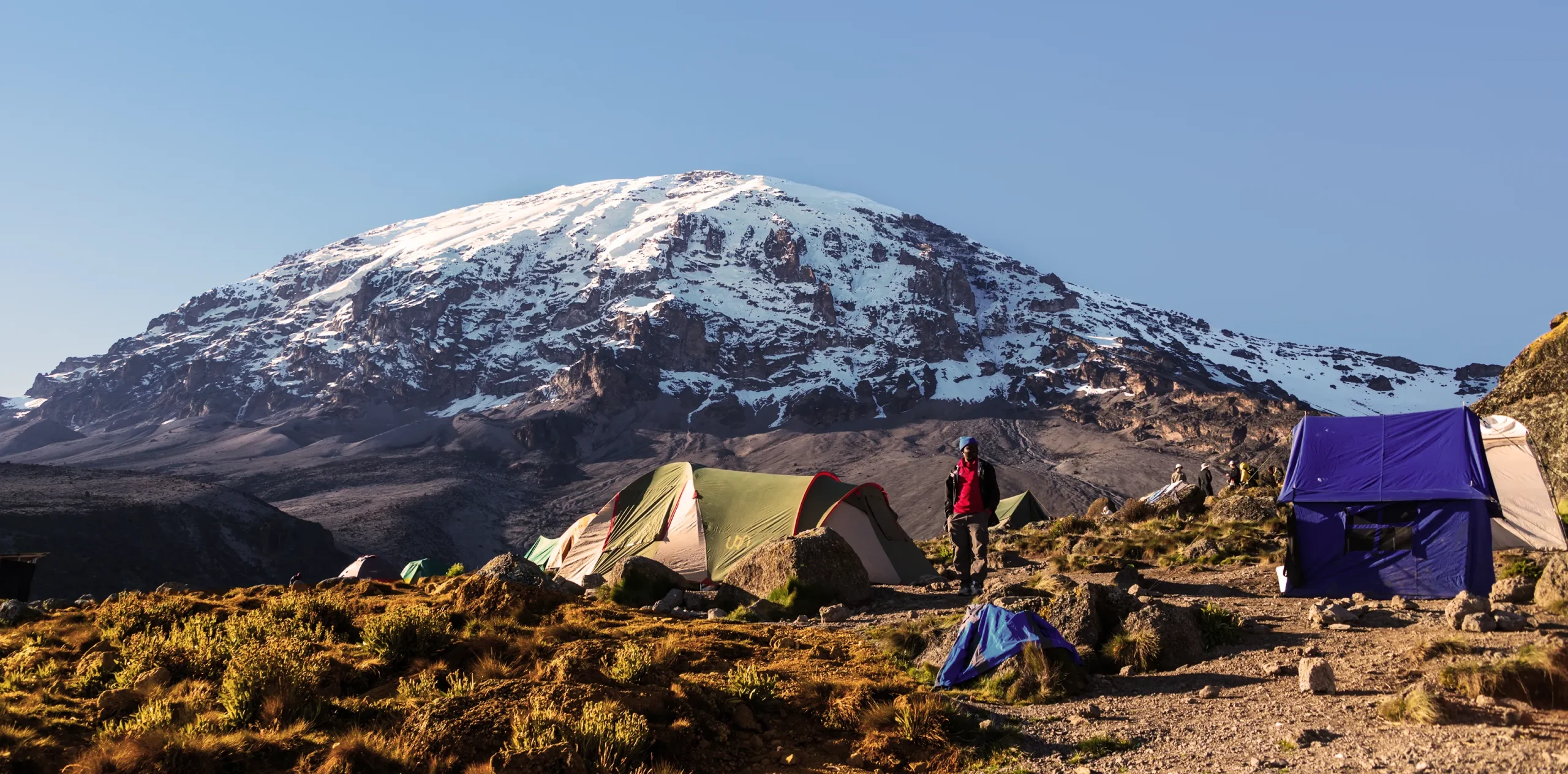
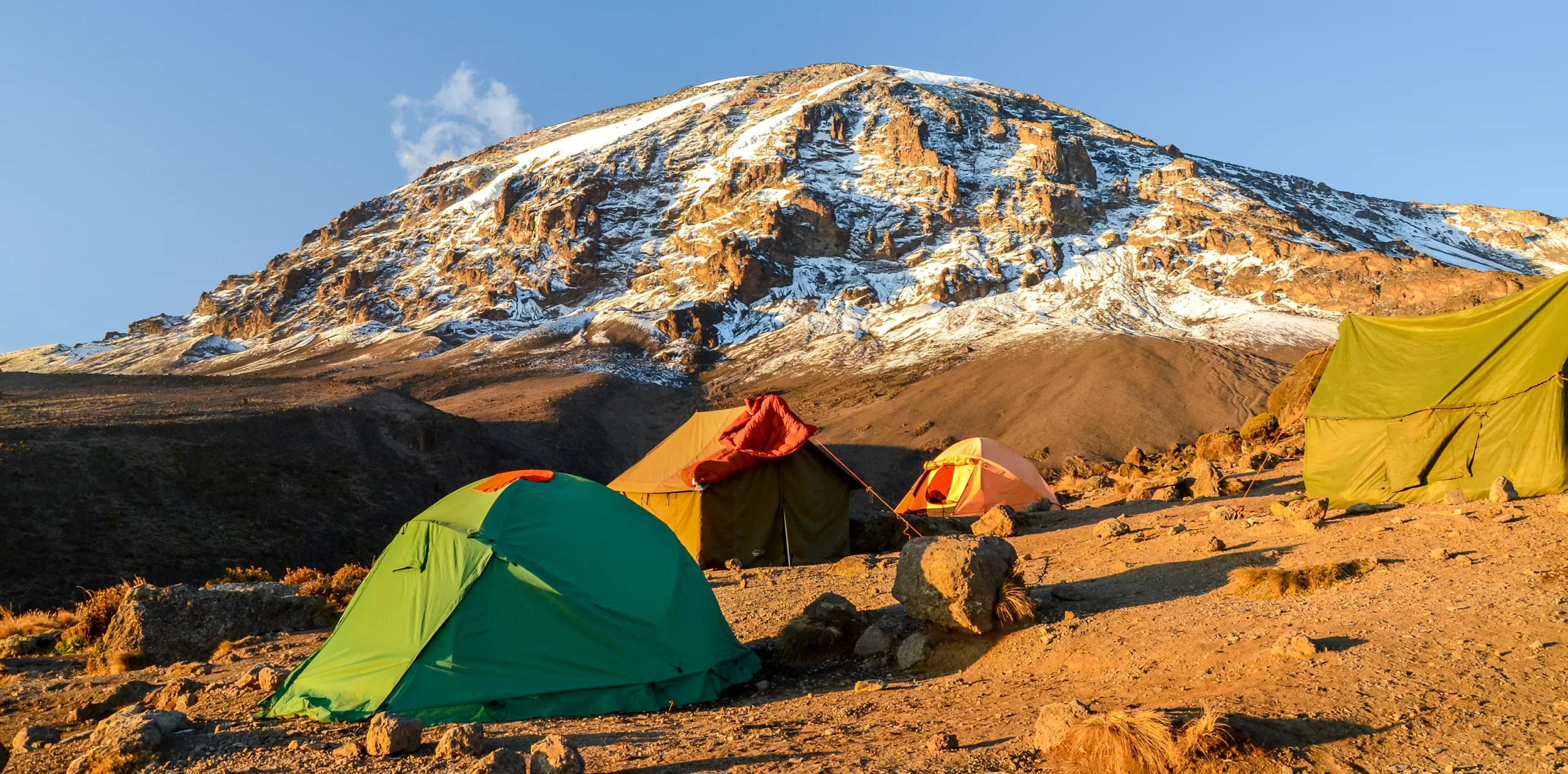
What to see
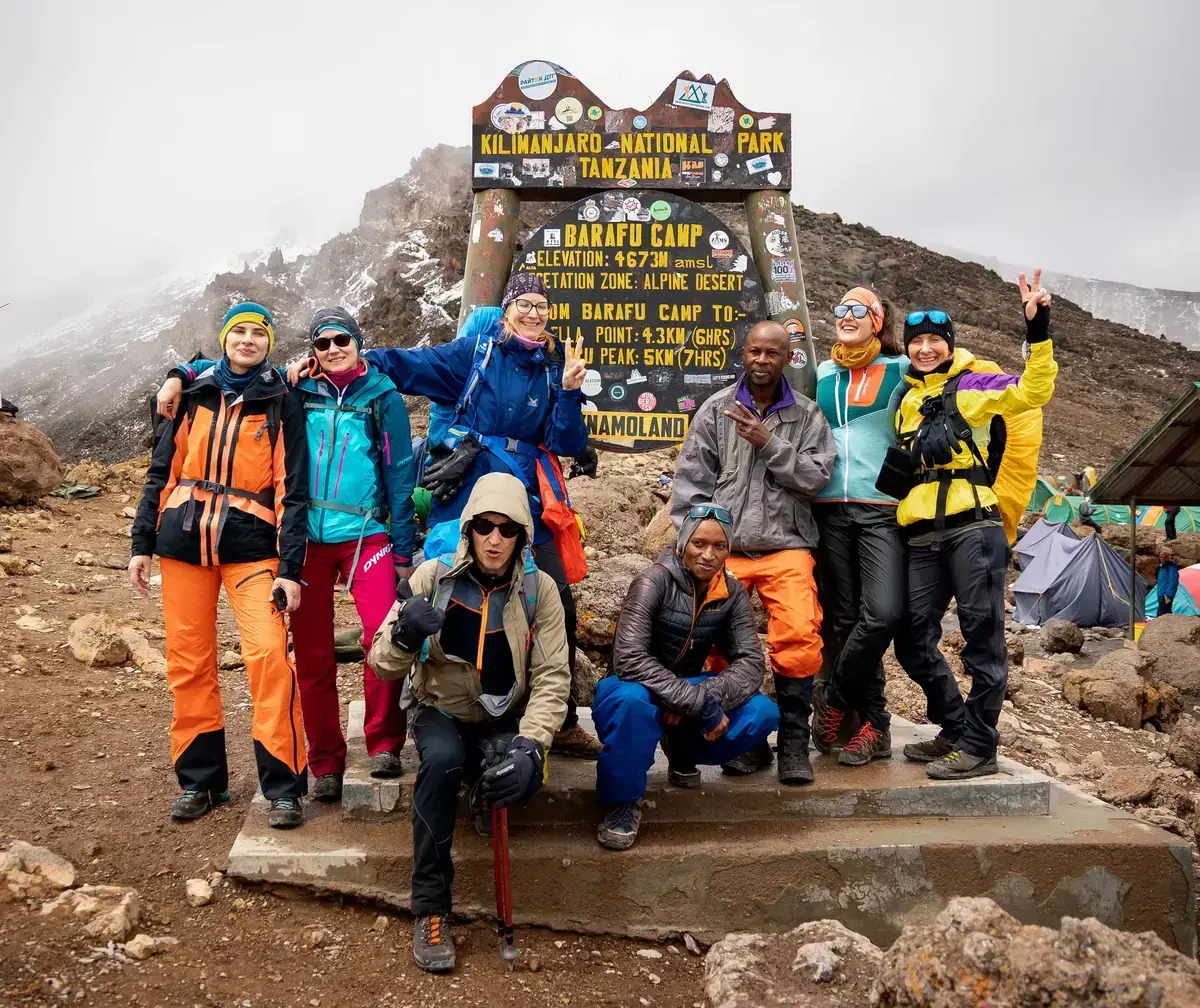
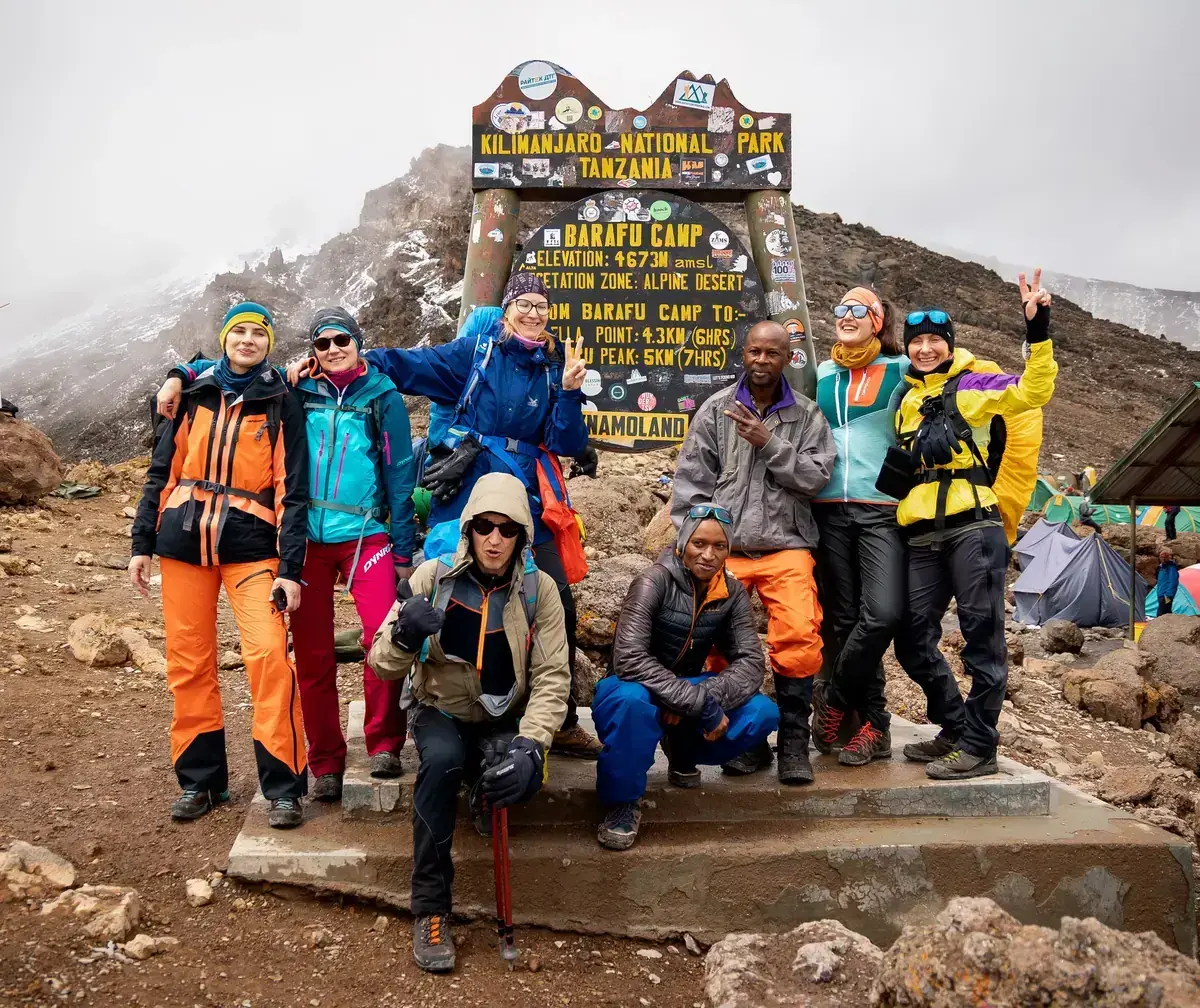
The highest point in Africa, reached at sunrise after a midnight start. The signboard at the summit is the most photographed spot in Tanzania.
A 257-metre rock face on the southern routes. It looks intimidating but is a straightforward scramble, and the most memorable section of the climb for many trekkers.
One of the highest plateaus on Earth, crossed on the Lemosho and Northern Circuit routes, with a detour to Cathedral Peak on the old volcanic rim.
The Rebmann, Ratzel and Furtwängler glaciers sit on and around the crater rim — ice fields on the equator, and visibly retreating year on year.
Choose your route
Every route reaches the same 5,895 m summit. Open any route for its full day-by-day itinerary and altitude profile.
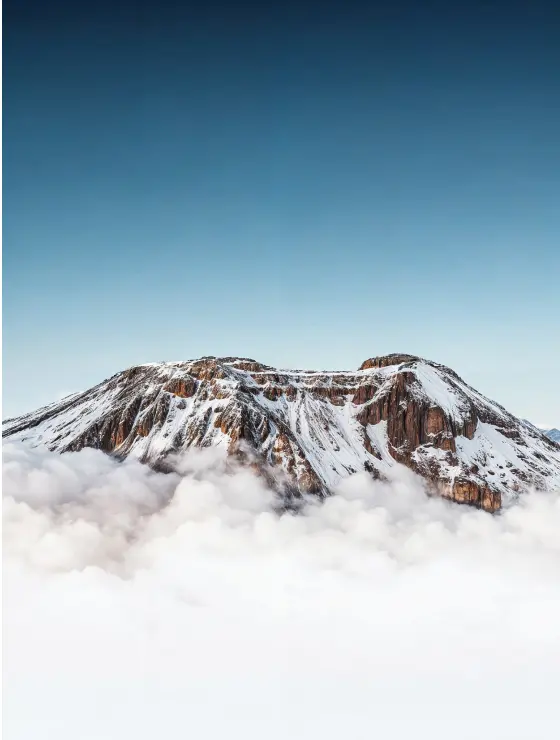
7–8 Days
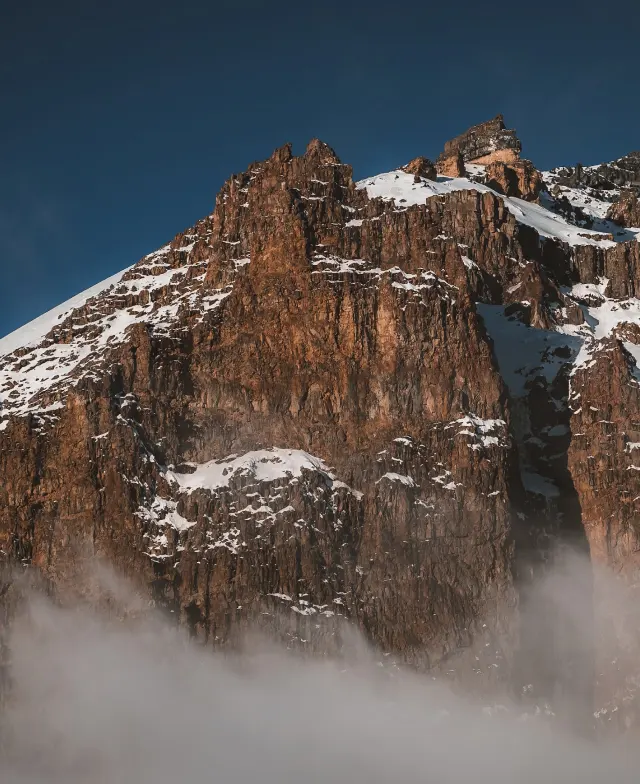
6–7 Days
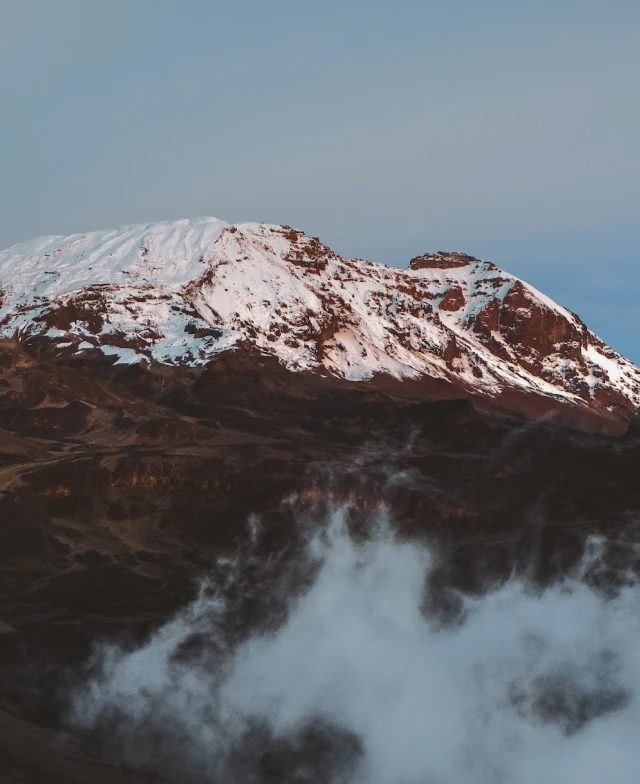
5–6 Days
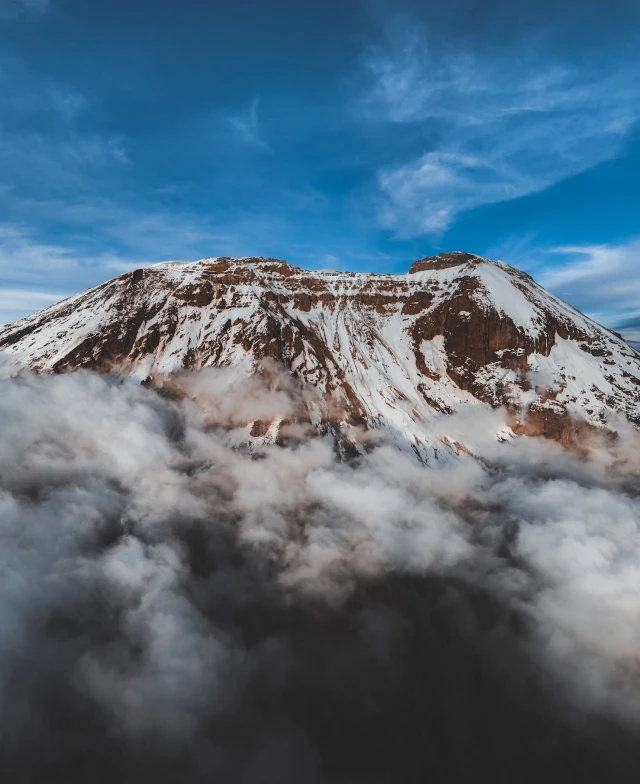
6–7 Days
6–7 Days
8–9 Days
When to go
Jan – Mar · Warm & clear
One of the two prime windows. Days are warmer and the trails quieter than in the northern summer, with generally clear skies and a good chance of snow near the summit.
Apr – May · Long rains
The wettest months, with muddy rainforest sections and cloud cover. We generally advise against climbing now, but if your dates are fixed, the Rongai route on the drier northern side is the sensible choice.
Jun – Oct · Dry — peak season
The busiest and most reliable season. Cold, clear nights and dry trails, with excellent visibility from the summit. Book several months ahead, particularly for August departures.
Nov – Dec · Short rains
Brief afternoon showers in November, clearing by mid-December when the holiday season brings a second peak. Late December summits are popular and need booking well in advance.
Things to do
A one-day walk through the rainforest to the first camp and back — no summit attempt, no altitude risk, and a genuine taste of the mountain.
A flight around the crater, glaciers and valleys — the only way to appreciate the mountain’s full scale in an hour.
An extra night spent inside the summit crater beside the Furtwängler Glacier, added to the Northern Circuit or Lemosho route.
06Pricing
A Kilimanjaro climb with Alfajir starts at $1,750 per person for the 6-day Marangu route and runs to $2,650 for the 9-day Northern Circuit. Park fees, camping fees, rescue registration, guides, porters, chefs, all meals and gear rental support are included; flights, visa, insurance and tips are not.
For a first high-altitude trek we recommend the 8-day Lemosho or the 9-day Northern Circuit — both have the gentlest acclimatization profiles and the highest summit success rates. Choose Machame for scenery on a shorter schedule, Marangu if you would rather sleep in huts, and Rongai for quiet trails or a rainy-season climb.
Kilimanjaro is a long walk, not a climb — no ropes or technical skill are needed. Being able to hike comfortably for six to eight hours on consecutive days is enough. Altitude, not fitness, is what turns people back, so the extra acclimatization days matter more than training.
It depends almost entirely on the route length. Our 8- and 9-day itineraries run at roughly 95%, the 7-day routes at 85–93%, and the 5-day Marangu at only 50–60%. If your schedule allows it, add the day.
Keep exploring
Ready when you are
Tell us your dates, your group and what you'd most like to see. We'll send back a tailored itinerary and a clear quote.