Hadzabe hunting experience
A dawn start to join a hunting party on foot — the reason most travelers come to Eyasi.
From $75 per person Add to trip
Destination
Where Cultures Meet
01Overview
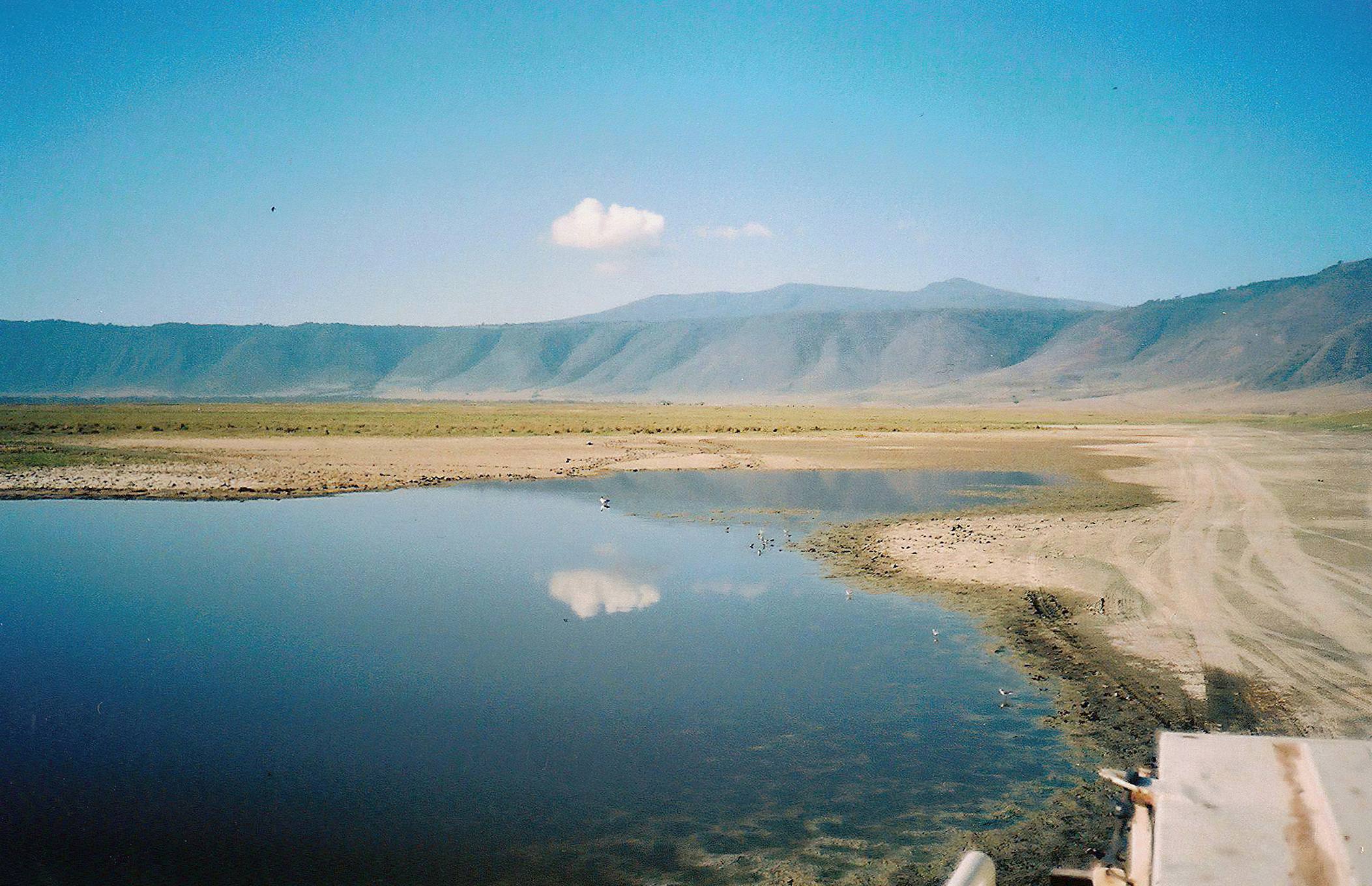
Lake Eyasi lies south-west of the Ngorongoro highlands, a long, shallow soda lake at the base of the Rift Valley escarpment. It shrinks dramatically in the dry season and floods in the wet, and its shores draw pelicans, flamingos and storks when water levels are right.
What brings most travelers here, though, is cultural rather than scenic. The Eyasi basin is the homeland of the Hadzabe, one of the last hunter-gatherer peoples in Africa, who still hunt with bow and arrow and forage as they have for millennia; and of the Datoga, pastoralist blacksmiths who forge arrowheads and jewellery by hand. A visit is usually built around joining a Hadzabe hunting party at dawn and a Datoga homestead afterwards. It is the most substantial cultural experience on the northern circuit, and it pairs naturally with Ngorongoro.
What to see
Setting out at first light with Hadzabe hunters, following them through the bush with bow and arrow. One of very few places on earth where a hunter-gatherer way of life continues largely intact.
A visit to a Datoga homestead where arrowheads, bracelets and tools are forged by hand over an open fire, using techniques passed down through generations.
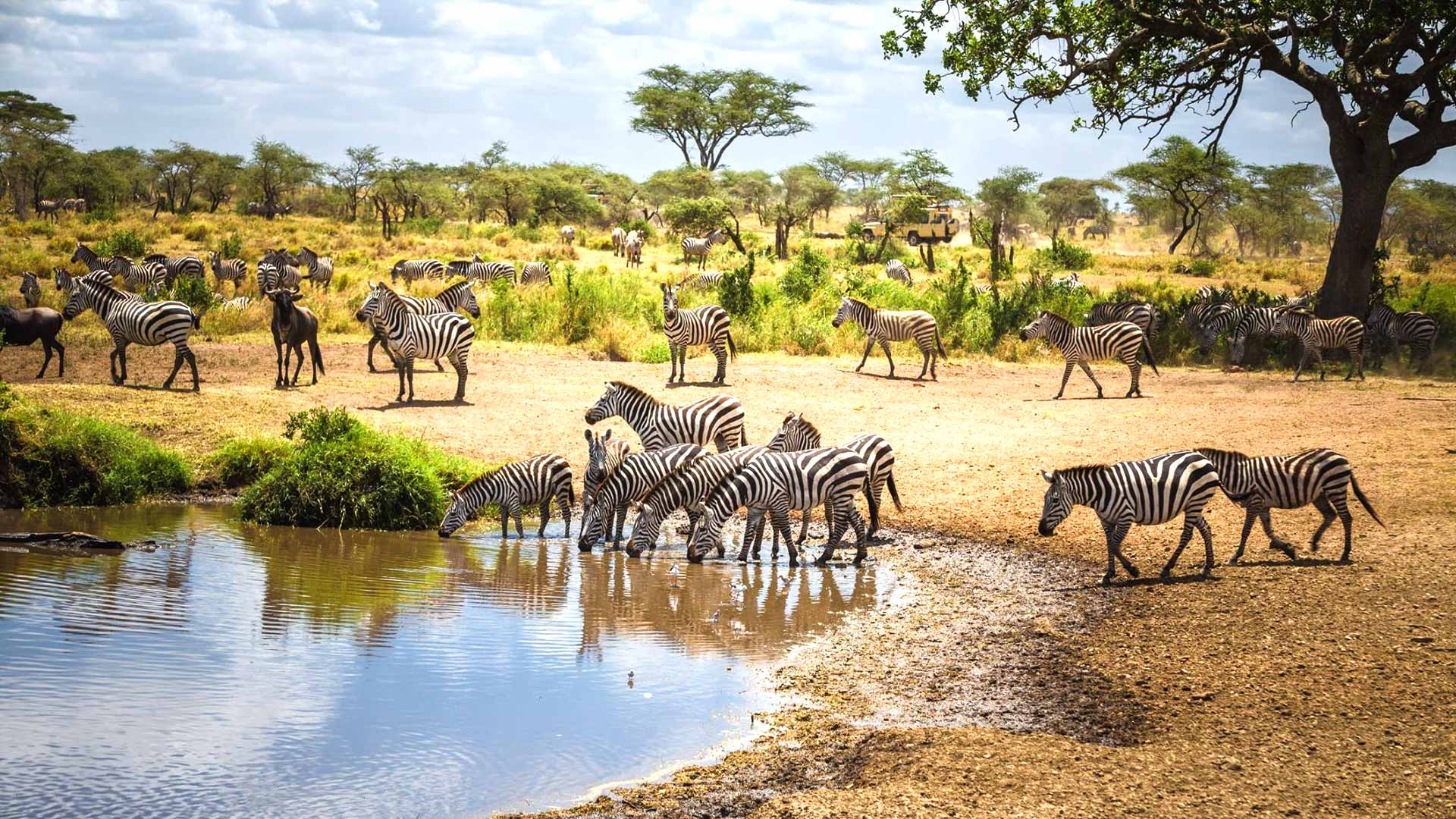
A shallow, shifting soda lake backed by the Rift escarpment, with pelicans, flamingos and storks when the water is high and a vast cracked salt pan when it is not.
The basin is dotted with enormous baobabs, many used by the Hadzabe for honey collection — you may see the pegs driven into the trunks.
When to go
Jun – Oct · Dry — best time
The best months for cultural visits. Tracks are firm, the bush is open for walking with the Hadzabe, and the hunting is more productive. The lake recedes significantly, exposing wide salt flats.
Nov – Dec · Short rains
The lake begins to refill and waterbirds return. Brief afternoon showers, green surroundings and few visitors.
Jan – Mar · Green season
The lake is at its fullest and the birdlife at its best, with pelicans and flamingos on the water. Warm and humid; bush walking is harder in thicker vegetation.
Apr – May · Long rains
The wettest period. Access roads can become difficult and visits are occasionally disrupted, though the escarpment scenery is spectacular under storm light.
Things to do
A dawn start to join a hunting party on foot — the reason most travelers come to Eyasi.
A visit to a Datoga homestead to watch arrowheads and jewellery being forged by hand.
A guided walk along the shore for pelicans, flamingos and waders when water levels allow.
A slower walk with a Hadzabe guide focused on plants, roots, honey collection and tracking.
05Pricing
A day visit to Lake Eyasi from Karatu starts around $180 per person including transport, community fees and a guide. Most travelers add it as a night between Ngorongoro and the Serengeti, from roughly $320 per person including accommodation.
It is a real hunting party, not a performance, but it is also a paid arrangement and the community knows visitors are coming. We work with the same families each time, pay agreed community fees directly, and our guides will tell you honestly what you are seeing. Go with curiosity rather than expectations.
Ask before photographing anyone, keep your group small and quiet, and follow your guide’s lead on where to walk and when. Gifts of money to individuals cause more harm than good — the community fee is the right channel.
If culture is a real interest, yes. A night at Eyasi lets you do the dawn hunt properly rather than rushing in and out, and it breaks the long drive between Ngorongoro and the Serengeti.
Keep exploring
Ready when you are
Tell us your dates, your group and what you'd most like to see. We'll send back a tailored itinerary and a clear quote.